Tea is more than just a beverage—it is a culture, a ritual, and for many, a daily companion. Among the vast varieties of tea available worldwide, oolong tea holds a special place. Neither fully green nor fully black, oolong tea sits beautifully in between, offering a unique harmony of flavors, aromas, and health benefits.
At NKKN, we bring you a premium oolong tea experience that reflects purity, craftsmanship, and tradition. This blog explores everything you need to know about premium oolong tea—its origins, benefits, flavors, brewing methods, and why NKKN stands out.
What is Oolong Tea?
Oolong tea is a partially oxidized tea, which means it falls somewhere between green tea (least oxidized) and black tea (fully oxidized). The oxidation level of oolong tea can vary from 10% to 80%, creating a wide range of flavors—from light and floral to rich and roasted.
The name oolong translates to black dragon in Chinese, symbolizing its dark, twisted leaves and complex character.
Origins of Oolong Tea
Oolong tea originated in China, particularly in the Fujian province, and later spread to Taiwan. These regions are still considered the gold standard for high-quality oolong tea.
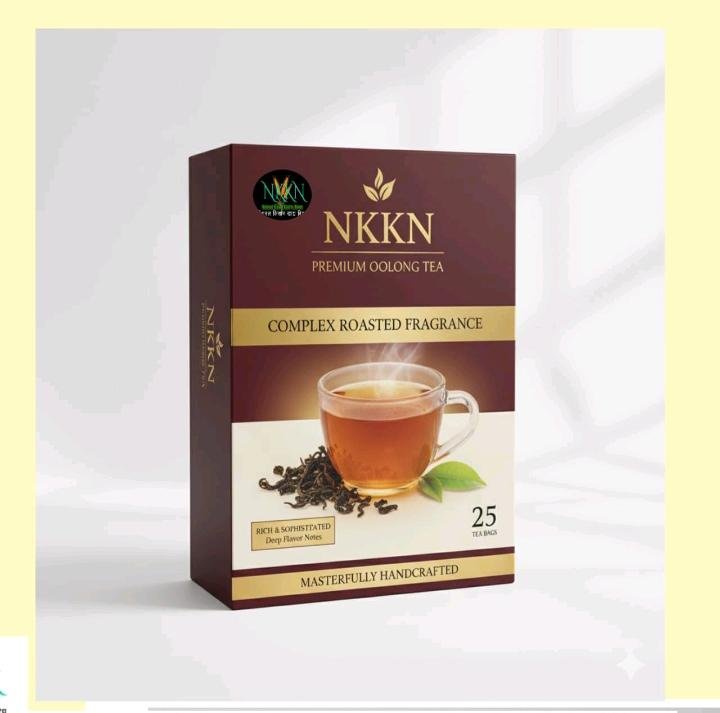
NKKN Premium Oolong Tea
The unique climate—misty mountains, rich soil, and balanced humidity—creates the perfect environment for cultivating premium tea leaves.
At NKKN, we source our oolong tea from carefully selected estates that maintain these traditional cultivation methods.
What Makes NKKN Premium Oolong Tea Special?
1. Handpicked Leaves
NKKN ensures that only the finest tea leaves are selected. Each leaf is carefully plucked to maintain consistency and quality.
2. Traditional Processing
Our oolong tea undergoes a precise oxidation and rolling process, preserving its natural aroma and flavor profile.
3. Rich Aroma & Flavor
Expect a smooth, layered taste—with hints of floral sweetness, mild fruitiness, and a lingering finish.
4. Freshness Guaranteed
We prioritize freshness by packaging tea in airtight, high-quality containers to preserve its natural essence.
Flavor Profile of Premium Oolong Tea
Oolong tea is known for its complex and evolving flavor. Each sip reveals something new.
Floral Notes – Similar to orchids or jasmine
Fruity Undertones – Peach, apricot, or citrus hints
Roasted Warmth – Nutty or caramel-like depth
Smooth Finish – Clean and refreshing aftertaste
NKKN’s premium oolong tea offers a perfect balance of all these elements, making it ideal for both beginners and seasoned tea lovers.
Health Benefits of Oolong Tea
1. Boosts Metabolism
Oolong tea helps increase metabolism, making it a popular choice for weight management.
2. Supports Heart Health
Regular consumption may help reduce cholesterol levels and improve heart health.
3. Enhances Mental Alertness
With moderate caffeine content, oolong tea provides a gentle energy boost without the jitters.
4. Improves Skin Health
Antioxidants in oolong tea help fight free radicals, promoting healthy and glowing skin.
5. Aids Digestion
National Kisaan Khadhaya Nigam
Oolong tea is known to support digestion and reduce bloating.
How to Brew Premium Oolong Tea
Brewing oolong tea correctly is essential to unlocking its full flavor.
Ingredients
1 teaspoon NKKN premium oolong tea
1 cup hot water (85–95°C)
Steps
Heat water to the right temperature (not boiling).
Add tea leaves to a teapot or cup.
Pour hot water over the leaves.
Steep for 2–3 minutes.
Strain and enjoy.
Pro Tip
Oolong tea leaves can be steeped multiple times, with each infusion offering a slightly different flavor.
Best Time to Drink Oolong Tea
Morning – For a refreshing start
Afternoon – To boost energy and focus
After Meals – To aid digestion
Avoid drinking it late at night due to its caffeine content.
Oolong Tea vs Green Tea vs Black Tea
Feature
Oolong Tea
Green Tea
Black Tea
Oxidation
Partial
Minimal
Full
Flavor
Complex & Smooth
Light & Fresh
Strong & Bold
Caffeine
Medium
Low
High
Aroma
Floral & Fruity
Grassy
Malty
Oolong tea offers the best of both worlds, combining the freshness of green tea with the richness of black tea.
Why Choose NKKN Premium Oolong Tea?
Choosing NKKN means choosing quality, authenticity, and trust.
Premium-grade tea leaves
Carefully curated sourcing
Consistent taste and aroma
Hygienic packaging
Trusted brand reputation
We believe tea should be an experience—not just a drink.
Storage Tips
To maintain the quality of your oolong tea:
Store in an airtight container
Keep away from moisture and sunlight
Avoid strong odors
Proper storage ensures long-lasting freshness and flavor.
Conclusion
Premium oolong tea is a celebration of balance—between light and bold, tradition and modern taste. Whether you are a tea enthusiast or just beginning your journey, oolong tea offers a refined and rewarding experience.
With NKKN Premium Oolong Tea, you’re not just enjoying tea—you’re embracing a lifestyle of quality, wellness, and elegance.
So take a moment, brew a cup, and let every sip tell a story.
Call to Action
Experience the richness of premium tea today with NKKN.
*Sip the balance. Savor the tradition. Choose NKKN.
Tea is more than just a beverage—it is a culture, a ritual, and for many, a daily companion. Among the vast varieties of tea available worldwide, oolong tea holds a special place. Neither fully green nor fully black, oolong tea sits beautifully in between, offering a unique harmony of flavors, aromas, and health benefits.
At NKKN, we bring you a premium oolong tea experience that reflects purity, craftsmanship, and tradition. This blog explores everything you need to know about premium oolong tea—its origins, benefits, flavors, brewing methods, and why NKKN stands out.
What is Oolong Tea?
Oolong tea is a partially oxidized tea, which means it falls somewhere between green tea (least oxidized) and black tea (fully oxidized). The oxidation level of oolong tea can vary from 10% to 80%, creating a wide range of flavors—from light and floral to rich and roasted.
The name oolong translates to black dragon in Chinese, symbolizing its dark, twisted leaves and complex character.
Origins of Oolong Tea
Oolong tea originated in China, particularly in the Fujian province, and later spread to Taiwan. These regions are still considered the gold standard for high-quality oolong tea.
NKKN Premium Oolong Tea
The unique climate—misty mountains, rich soil, and balanced humidity—creates the perfect environment for cultivating premium tea leaves.
At NKKN, we source our oolong tea from carefully selected estates that maintain these traditional cultivation methods.
What Makes NKKN Premium Oolong Tea Special?
1. Handpicked Leaves
NKKN ensures that only the finest tea leaves are selected. Each leaf is carefully plucked to maintain consistency and quality.
2. Traditional Processing
Our oolong tea undergoes a precise oxidation and rolling process, preserving its natural aroma and flavor profile.
3. Rich Aroma & Flavor
Expect a smooth, layered taste—with hints of floral sweetness, mild fruitiness, and a lingering finish.
4. Freshness Guaranteed
We prioritize freshness by packaging tea in airtight, high-quality containers to preserve its natural essence.
Flavor Profile of Premium Oolong Tea
Oolong tea is known for its complex and evolving flavor. Each sip reveals something new.
Floral Notes – Similar to orchids or jasmine
Fruity Undertones – Peach, apricot, or citrus hints
Roasted Warmth – Nutty or caramel-like depth
Smooth Finish – Clean and refreshing aftertaste
NKKN’s premium oolong tea offers a perfect balance of all these elements, making it ideal for both beginners and seasoned tea lovers.
Health Benefits of Oolong Tea
1. Boosts Metabolism
Oolong tea helps increase metabolism, making it a popular choice for weight management.
2. Supports Heart Health
Regular consumption may help reduce cholesterol levels and improve heart health.
3. Enhances Mental Alertness
With moderate caffeine content, oolong tea provides a gentle energy boost without the jitters.
4. Improves Skin Health
Antioxidants in oolong tea help fight free radicals, promoting healthy and glowing skin.
5. Aids Digestion
National Kisaan Khadhaya Nigam
Oolong tea is known to support digestion and reduce bloating.
How to Brew Premium Oolong Tea
Brewing oolong tea correctly is essential to unlocking its full flavor.
Ingredients
1 teaspoon NKKN premium oolong tea
1 cup hot water (85–95°C)
Steps
Heat water to the right temperature (not boiling).
Add tea leaves to a teapot or cup.
Pour hot water over the leaves.
Steep for 2–3 minutes.
Strain and enjoy.
Pro Tip
Oolong tea leaves can be steeped multiple times, with each infusion offering a slightly different flavor.
Best Time to Drink Oolong Tea
Morning – For a refreshing start
Afternoon – To boost energy and focus
After Meals – To aid digestion
Avoid drinking it late at night due to its caffeine content.
Oolong Tea vs Green Tea vs Black Tea
Feature
Oolong Tea
Green Tea
Black Tea
Oxidation
Partial
Minimal
Full
Flavor
Complex & Smooth
Light & Fresh
Strong & Bold
Caffeine
Medium
Low
High
Aroma
Floral & Fruity
Grassy
Malty
Oolong tea offers the best of both worlds, combining the freshness of green tea with the richness of black tea.
Why Choose NKKN Premium Oolong Tea?
Choosing NKKN means choosing quality, authenticity, and trust.
Premium-grade tea leaves
Carefully curated sourcing
Consistent taste and aroma
Hygienic packaging
Trusted brand reputation
We believe tea should be an experience—not just a drink.
Storage Tips
To maintain the quality of your oolong tea:
Store in an airtight container
Keep away from moisture and sunlight
Avoid strong odors
Proper storage ensures long-lasting freshness and flavor.
Conclusion
Premium oolong tea is a celebration of balance—between light and bold, tradition and modern taste. Whether you are a tea enthusiast or just beginning your journey, oolong tea offers a refined and rewarding experience.
With NKKN Premium Oolong Tea, you’re not just enjoying tea—you’re embracing a lifestyle of quality, wellness, and elegance.
So take a moment, brew a cup, and let every sip tell a story.
Call to Action
Experience the richness of premium tea today with NKKN.
*Sip the balance. Savor the tradition. Choose NKKN.
In the vast and diverse world of tea, few varieties capture elegance, freshness, and aromatic brilliance as beautifully as Nilgiri tea. Grown in the misty hills of South India, this tea is often called the *”Blue Mountain Tea, a name inspired by the stunning Nilgiri hills where it originates.
At NKKN, we present a premium Nilgiri tea that reflects purity, altitude-grown excellence, and unmatched flavor. Whether you are a casual tea drinker or a true connoisseur Nilgiri tea offers a refined experience that stands apart.
This detailed guide explores everything about premium Nilgiri tea—its origin, taste, benefits, brewing techniques, and why NKKN is the perfect choice.
What is Nilgiri Tea?
Nilgiri tea is a type of black tea grown in the Nilgiri hills of Tamil Nadu, India. It is known for its bright color, smooth taste, and fragrant aroma.
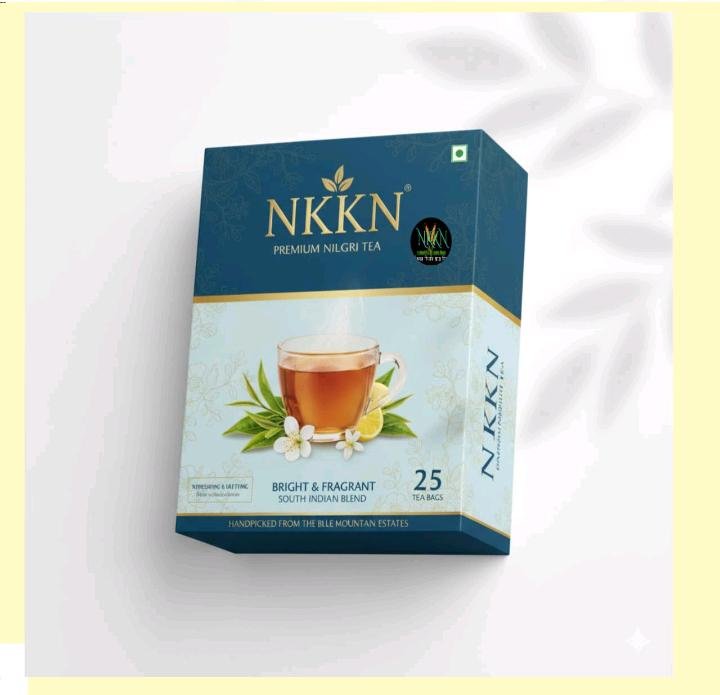
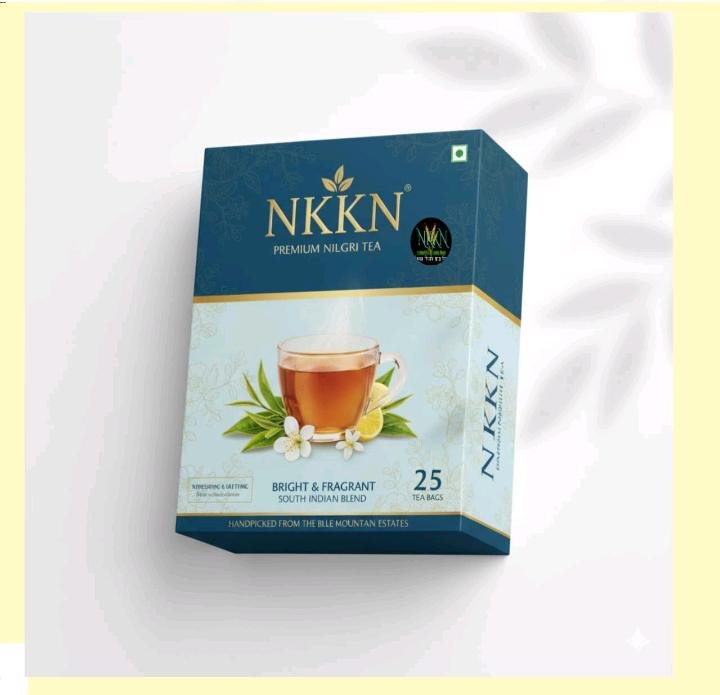
NKKN Premium Nilgiri Tea
Unlike stronger black teas like Assam, Nilgiri tea is lighter, more aromatic, and incredibly refreshing. It is also highly versatile—it tastes great both as a hot beverage and as iced tea.
Origin of Nilgiri Tea
The Nilgiri hills, part of the Western Ghats, are among the most important tea-growing regions in India. Located at elevations ranging from 1,000 to 2,500 meters, these hills provide ideal conditions for tea cultivation.
Key Factors Behind Its Quality:
High altitude plantations
Cool climate with consistent rainfall
Rich soil composition
Year-round harvesting capability
These factors combine to produce tea leaves that are rich in aroma and flavor.
NKKN sources its Nilgiri tea from select estates that maintain strict quality standards and sustainable practices.
Why is Nilgiri Tea Called Blue Mountain Tea”?
The Nilgiri hills often appear bluish due to the eucalyptus trees covering the region. This natural phenomenon gives the tea its poetic name—Blue Mountain Tea.
Just like the hills, the tea is refreshing, soothing, and naturally aromatic.
What Makes NKKN Premium Nilgiri Tea Special?
1. High-Altitude Sourcing
NKKN selects tea leaves from elevated plantations, ensuring superior flavor and aroma.
2. Fresh & Fragrant Leaves
Only the finest, freshly plucked leaves are used to maintain quality.
3. Expert Processing
The tea undergoes precise oxidation and drying to preserve its natural characteristics.
4. Consistent Quality
Every batch of NKKN Nilgiri tea delivers the same premium experience.
5. Hygienic Packaging
Our tea is sealed in airtight packaging to lock in freshness and aroma.
Flavor Profile of Premium Nilgiri Tea
Nilgiri tea is known for its light yet complex flavor, making it a favorite among tea lovers.
Taste Notes:
Floral aroma – Fresh and uplifting
Citrus hints – Bright and lively
Mild sweetness – Naturally smooth
Clean finish – No bitterness
Unlike heavy black teas, Nilgiri tea feels refreshing and easy on the palate.
Types of Nilgiri Tea
1. Orthodox Nilgiri Tea
Made using traditional methods, offering a delicate and layered flavor.
2. CTC Nilgiri Tea
Crush-Tear-Curl method creates stronger tea, ideal for milk-based preparations.
3. Frost Tea
A premium variety harvested during winter frost, known for its intense aroma and unique taste.
NKKN focuses on delivering high-quality orthodox Nilgiri tea for a refined experience.
Health Benefits of Nilgiri Tea
1. Rich in Antioxidants
Nilgiri tea contains polyphenols that help fight free radicals.
2. Boosts Immunity
Regular consumption may strengthen the immune system.
3. Supports Heart Health
Helps in maintaining healthy cholesterol levels.
4. Aids Digestion
Light and soothing, it supports better digestion.
5. Enhances Mental Alertness
Contains moderate caffeine for a gentle energy boost.
How to Brew NKKN Premium Nilgiri Tea
National Kisaan Khadhaya Nigam
Ingredients:
1 teaspoon NKKN Nilgiri tea
1 cup hot water (90–95°C)
Steps:
Heat water just below boiling.
Add tea leaves to a cup or teapot.
Pour hot water over the leaves.
Steep for 3–4 minutes.
Strain and serve.
Optional:
Add honey or lemon for enhanced flavor
Add milk for a stronger cup (CTC variant preferred)
Best Time to Enjoy Nilgiri Tea
Morning – Light and refreshing start
Afternoon – Perfect energy boost
Evening – Relaxing without heaviness
It is also excellent as an iced tea during summers.
Nilgiri Tea vs Assam vs Darjeeling
Feature
Nilgiri Tea
Assam Tea
Darjeeling Tea
Flavor
Light & Aromatic
Strong & Malty
Floral & Delicate
Color
Bright
Dark
Light golden
Best For
Iced & Hot Tea
Milk Tea
Premium sipping
Aroma
Fragrant
Bold
Muscatel
Nilgiri tea stands out for its versatility and smoothness.
Why Choose NKKN Premium Nilgiri Tea?
Choosing NKKN ensures you get:
Carefully sourced premium leaves
Authentic taste of Nilgiri hills
Consistent flavor profile
Safe and hygienic packaging
A trusted brand experience
We are committed to delivering tea that represents quality and authenticity.
Storage Tips
To maintain freshness:
Store in an airtight container
Keep away from sunlight
Avoid moisture exposure
Do not mix with strong-smelling items
Proper storage keeps your tea flavorful for longer.
Nilgiri Tea for Modern Lifestyles
Today’s tea drinkers look for beverages that are not only tasty but also healthy and versatile. Nilgiri tea fits perfectly into modern routines.
Great for:
Fitness-conscious individuals
Office professionals
Tea enthusiasts
Summer refreshment lovers
Its adaptability makes it a must-have in every kitchen.
Sustainability and Ethical Sourcing
NKKN believes in responsible sourcing. Our Nilgiri tea is sourced from estates that follow:
Eco-friendly farming practices
Fair labor conditions
Sustainable cultivation methods
This ensures that every cup you drink supports both quality and responsibility.
Conclusion
Premium Nilgiri tea is more than just a beverage—it is a refreshing journey into the serene hills of South India. With its floral aroma, smooth taste, and health benefits, it offers a perfect balance for everyday enjoyment.
With NKKN Premium Nilgiri Tea, you experience the true essence of the Blue Mountains in every sip.
So take a break, brew a cup, and let the freshness uplift your day.
Call to Action
Discover the refreshing taste of NKKN Nilgiri Tea today.
Freshness in every sip. Purity in every leaf. Only with NKKN.
In the vast and diverse world of tea, few varieties capture elegance, freshness, and aromatic brilliance as beautifully as Nilgiri tea. Grown in the misty hills of South India, this tea is often called the *”Blue Mountain Tea, a name inspired by the stunning Nilgiri hills where it originates.
At NKKN, we present a premium Nilgiri tea that reflects purity, altitude-grown excellence, and unmatched flavor. Whether you are a casual tea drinker or a true connoisseur Nilgiri tea offers a refined experience that stands apart.
This detailed guide explores everything about premium Nilgiri tea—its origin, taste, benefits, brewing techniques, and why NKKN is the perfect choice.
What is Nilgiri Tea?
Nilgiri tea is a type of black tea grown in the Nilgiri hills of Tamil Nadu, India. It is known for its bright color, smooth taste, and fragrant aroma.
NKKN Premium Nilgiri Tea
Unlike stronger black teas like Assam, Nilgiri tea is lighter, more aromatic, and incredibly refreshing. It is also highly versatile—it tastes great both as a hot beverage and as iced tea.
Origin of Nilgiri Tea
The Nilgiri hills, part of the Western Ghats, are among the most important tea-growing regions in India. Located at elevations ranging from 1,000 to 2,500 meters, these hills provide ideal conditions for tea cultivation.
Key Factors Behind Its Quality:
High altitude plantations
Cool climate with consistent rainfall
Rich soil composition
Year-round harvesting capability
These factors combine to produce tea leaves that are rich in aroma and flavor.
NKKN sources its Nilgiri tea from select estates that maintain strict quality standards and sustainable practices.
Why is Nilgiri Tea Called Blue Mountain Tea”?
The Nilgiri hills often appear bluish due to the eucalyptus trees covering the region. This natural phenomenon gives the tea its poetic name—Blue Mountain Tea.
Just like the hills, the tea is refreshing, soothing, and naturally aromatic.
What Makes NKKN Premium Nilgiri Tea Special?
1. High-Altitude Sourcing
NKKN selects tea leaves from elevated plantations, ensuring superior flavor and aroma.
2. Fresh & Fragrant Leaves
Only the finest, freshly plucked leaves are used to maintain quality.
3. Expert Processing
The tea undergoes precise oxidation and drying to preserve its natural characteristics.
4. Consistent Quality
Every batch of NKKN Nilgiri tea delivers the same premium experience.
5. Hygienic Packaging
Our tea is sealed in airtight packaging to lock in freshness and aroma.
Flavor Profile of Premium Nilgiri Tea
Nilgiri tea is known for its light yet complex flavor, making it a favorite among tea lovers.
Taste Notes:
Floral aroma – Fresh and uplifting
Citrus hints – Bright and lively
Mild sweetness – Naturally smooth
Clean finish – No bitterness
Unlike heavy black teas, Nilgiri tea feels refreshing and easy on the palate.
Types of Nilgiri Tea
1. Orthodox Nilgiri Tea
Made using traditional methods, offering a delicate and layered flavor.
2. CTC Nilgiri Tea
Crush-Tear-Curl method creates stronger tea, ideal for milk-based preparations.
3. Frost Tea
A premium variety harvested during winter frost, known for its intense aroma and unique taste.
NKKN focuses on delivering high-quality orthodox Nilgiri tea for a refined experience.
Health Benefits of Nilgiri Tea
1. Rich in Antioxidants
Nilgiri tea contains polyphenols that help fight free radicals.
2. Boosts Immunity
Regular consumption may strengthen the immune system.
3. Supports Heart Health
Helps in maintaining healthy cholesterol levels.
4. Aids Digestion
Light and soothing, it supports better digestion.
5. Enhances Mental Alertness
Contains moderate caffeine for a gentle energy boost.
How to Brew NKKN Premium Nilgiri Tea
National Kisaan Khadhaya Nigam
Ingredients:
1 teaspoon NKKN Nilgiri tea
1 cup hot water (90–95°C)
Steps:
Heat water just below boiling.
Add tea leaves to a cup or teapot.
Pour hot water over the leaves.
Steep for 3–4 minutes.
Strain and serve.
Optional:
Add honey or lemon for enhanced flavor
Add milk for a stronger cup (CTC variant preferred)
Best Time to Enjoy Nilgiri Tea
Morning – Light and refreshing start
Afternoon – Perfect energy boost
Evening – Relaxing without heaviness
It is also excellent as an iced tea during summers.
Nilgiri Tea vs Assam vs Darjeeling
Feature
Nilgiri Tea
Assam Tea
Darjeeling Tea
Flavor
Light & Aromatic
Strong & Malty
Floral & Delicate
Color
Bright
Dark
Light golden
Best For
Iced & Hot Tea
Milk Tea
Premium sipping
Aroma
Fragrant
Bold
Muscatel
Nilgiri tea stands out for its versatility and smoothness.
Why Choose NKKN Premium Nilgiri Tea?
Choosing NKKN ensures you get:
Carefully sourced premium leaves
Authentic taste of Nilgiri hills
Consistent flavor profile
Safe and hygienic packaging
A trusted brand experience
We are committed to delivering tea that represents quality and authenticity.
Storage Tips
To maintain freshness:
Store in an airtight container
Keep away from sunlight
Avoid moisture exposure
Do not mix with strong-smelling items
Proper storage keeps your tea flavorful for longer.
Nilgiri Tea for Modern Lifestyles
Today’s tea drinkers look for beverages that are not only tasty but also healthy and versatile. Nilgiri tea fits perfectly into modern routines.
Great for:
Fitness-conscious individuals
Office professionals
Tea enthusiasts
Summer refreshment lovers
Its adaptability makes it a must-have in every kitchen.
Sustainability and Ethical Sourcing
NKKN believes in responsible sourcing. Our Nilgiri tea is sourced from estates that follow:
Eco-friendly farming practices
Fair labor conditions
Sustainable cultivation methods
This ensures that every cup you drink supports both quality and responsibility.
Conclusion
Premium Nilgiri tea is more than just a beverage—it is a refreshing journey into the serene hills of South India. With its floral aroma, smooth taste, and health benefits, it offers a perfect balance for everyday enjoyment.
With NKKN Premium Nilgiri Tea, you experience the true essence of the Blue Mountains in every sip.
So take a break, brew a cup, and let the freshness uplift your day.
Call to Action
Discover the refreshing taste of NKKN Nilgiri Tea today.
Freshness in every sip. Purity in every leaf. Only with NKKN.
In a world filled with bold and intense beverages, there exists a tea that celebrates subtlety, purity, and natural grace—white tea. Known for its delicate flavor, minimal processing, and exceptional health benefits, white tea is often considered one of the finest and most luxurious types of tea available.
At NKKN, we proudly present our Premium White Tea, crafted for those who appreciate sophistication in simplicity. Every cup is a gentle reminder that true luxury lies in purity and balance.
This in-depth guide explores everything about white tea—its origins, processing, flavor, benefits, preparation methods, and why NKKN’s premium offering stands out.
What is White Tea?
White tea is one of the least processed forms of tea, made from the young leaves and buds of the tea plant. Unlike black or green tea, white tea undergoes minimal oxidation, preserving its natural characteristics.
The name white tea comes from the fine silvery-white hairs on the unopened buds, giving it a soft and elegant appearance.
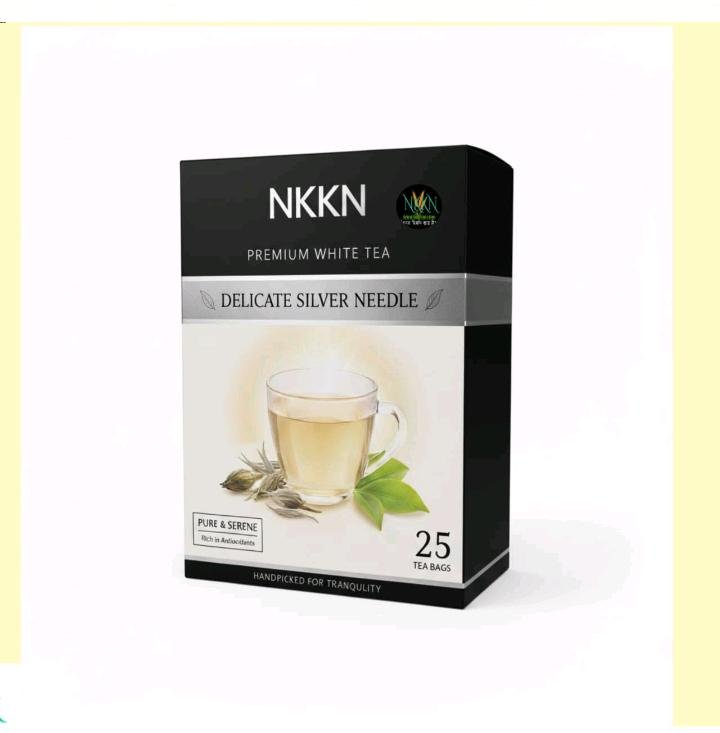
NKKN Premium White Tea
The Origin of White Tea
White tea has its roots in ancient China, where it was once reserved for royalty due to its rarity and refined taste. Over time, it gained global recognition and is now enjoyed by tea enthusiasts worldwide.
Today, white tea is cultivated in select regions with ideal climatic conditions, ensuring the highest quality leaves.
At NKKN, we honor this rich heritage by sourcing and crafting premium white tea that reflects authenticity and excellence.
What Makes White Tea Special?
White tea stands apart from other teas for several reasons:
1. Minimal Processing
White tea is simply plucked, withered, and dried. This minimal intervention helps retain its natural flavor and nutrients.
2. Delicate Flavor
It offers a light, slightly sweet, and floral taste that is both refreshing and soothing.
3. Natural Purity
Since it is less processed, white tea maintains its original essence, making it one of the purest teas.
4. Rich in Nutrients
White tea is packed with antioxidants and beneficial compounds.
NKKN Premium White Tea – What Sets It Apart
At NKKN, we go beyond the ordinary to deliver a truly premium experience.
Handpicked Quality
Only the finest buds and young leaves are selected for our white tea.
Superior Freshness
Careful processing ensures that the tea retains its natural aroma and flavor.
Smooth and Refined Taste
No bitterness—just a clean, elegant flavor profile.
Hygienic Packaging
We maintain strict quality standards to ensure safety and freshness.
Types of White Tea
White tea comes in several varieties, each offering a unique experience:
Silver Needle (Bai Hao Yin Zhen)
Made from only the buds, this is the most premium and delicate variety.
White Peony (Bai Mudan)
A blend of buds and young leaves, offering a slightly stronger flavor.
Shou Mei
More mature leaves, giving a richer and deeper taste.
NKKN Premium White Tea is crafted to deliver a balanced and enjoyable experience suitable for all tea lovers.
Ingredients of White Tea
White tea is beautifully simple:
Premium white tea leaves (buds and young leaves)
Water
Optional additions (though not necessary):
Honey
Lemon
Mint
However, for the best experience, it is recommended to enjoy white tea in its pure form.
How to Prepare White Tea Perfectly
Preparing white tea requires a gentle approach to preserve its delicate nature.
Step-by-Step Method
National Kisaan Khadhaya Nigam
Heat water to about 70–80°C (not boiling)
Add white tea leaves to a cup or teapot
Pour hot water over the leaves
Let it steep for 2–3 minutes
Strain and serve
Avoid over-steeping, as it can alter the subtle flavor.
Flavor Profile of NKKN Premium White Tea
Every sip of NKKN white tea is a refined experience:
Aroma: Light, floral, and fresh
Taste: Smooth, mildly sweet, and delicate
Body: Light and silky
Finish: Clean, refreshing, and calming
Health Benefits of White Tea
White tea is often praised for its impressive health benefits:
High in Antioxidants
Helps fight free radicals and supports overall health.
Supports Skin Health
May help maintain youthful and glowing skin.
Boosts Immunity
Strengthens the body’s natural defenses.
Aids Weight Management
Can support metabolism and fat burning.
Promotes Heart Health
May help reduce the risk of heart-related issues.
Low Caffeine Content
Provides gentle energy without overstimulation.
Best Time to Enjoy White Tea
White tea is versatile and can be enjoyed throughout the day:
Morning: Gentle start without heavy caffeine
Afternoon: Refreshing break
Evening: Relaxing and calming drink
Perfect Pairings with White Tea
Due to its delicate flavor, white tea pairs best with light foods:
Light biscuits
Fruit salads
Almond cookies
Soft cakes
Salads
NKKN recommends keeping pairings simple to preserve the tea’s natural taste.
White Tea vs Other Teas
Feature
White Tea
Green Tea
Black Tea
Processing
Minimal
Moderate
High
Flavor
Light & sweet
Fresh & grassy
Bold & strong
Caffeine
Low
Medium
High
Color
Pale yellow
Greenish
Dark brown
Storage Tips for White Tea
To maintain freshness and quality:
Store in an airtight container
Keep away from moisture and sunlight
Avoid strong odors nearby
Use within a reasonable time
Why Choose NKKN Premium White Tea?
Choosing NKKN means choosing quality and trust.
Authentic Experience
True to traditional white tea characteristics.
Premium Quality
Carefully selected and processed leaves.
Smooth Taste
No bitterness, only elegance.
Trusted Brand
NKKN is committed to delivering excellence.
White Tea as a Lifestyle Choice
White tea is not just a beverage—it is a lifestyle. It represents calmness, mindfulness, and appreciation for simplicity.
In today’s fast-paced life, a cup of NKKN Premium White Tea allows you to slow down and enjoy a peaceful moment.
Tips for the Best Experience
Use clean, filtered water
Avoid boiling water
Do not over-steep
Drink fresh for best flavor
Sustainability and Responsibility
At NKKN, we believe in responsible sourcing and sustainable practices. Our commitment ensures that every cup you enjoy contributes to a better future.
Conclusion
Premium white tea is a symbol of elegance, purity, and balance. Its delicate flavor and numerous health benefits make it a perfect choice for those who value quality and wellness.
With NKKN Premium White Tea, you are not just drinking tea—you are experiencing a refined tradition that celebrates simplicity and excellence.
So, take a moment, brew a cup, and let the gentle flavors of NKKN white tea bring calm, clarity, and comfort into your day.
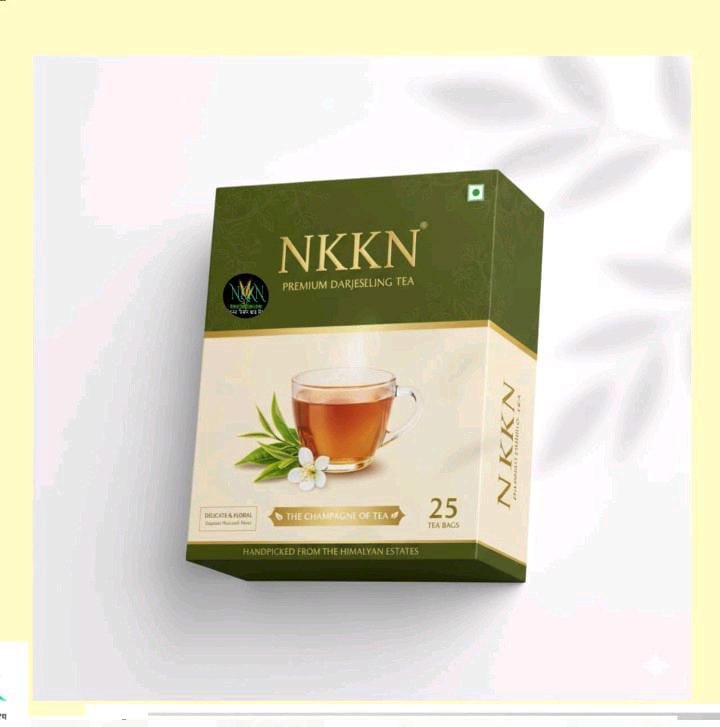
In the world of fine teas, few names evoke as much elegance, heritage, and sophistication as Darjeeling tea. Known as the Champagne of Teas, this exquisite beverage is cherished globally for its delicate aroma, floral notes, and refined taste. At NKKN, we bring you the true essence of the Himalayas with our *Premium Darjeeling Tea, crafted for those who appreciate authenticity, quality, and timeless flavor.
The Legacy of Darjeeling Tea
Whether you are a tea connoisseur or someone discovering the beauty of fine teas, NKKN offers an experience that goes far beyond a simple cup—it’s a journey into tradition, craftsmanship, and luxury.
Darjeeling tea originates from the mist-covered hills of Darjeeling, nestled in the foothills of the Himalayas in India. The unique combination of altitude, climate, and soil gives this tea its distinct character—something that cannot be replicated anywhere else in the world.
For over a century, Darjeeling tea has been celebrated for its:
Light and delicate body
Floral and fruity aroma
Muscatel flavor profile
Golden to amber liquor
At NKKN, we honor this legacy by sourcing and crafting tea that stays true to its origin and heritage.
What Makes Darjeeling Tea So Special?
Not all teas are created equal, and Darjeeling tea stands in a league of its own.
1. Unique Terroir
The high-altitude gardens of Darjeeling create a natural environment that enhances the tea’s flavor complexity.
2. Seasonal Flushes
Darjeeling tea is harvested in different seasons, each offering a unique taste:
First Flush (Spring): Light, floral, and fresh
Second Flush (Summer): Rich, muscatel, and full-bodied
Autumn Flush: Smooth and balanced
NKKN carefully selects the finest batches from each flush to deliver a premium experience.
3. Handpicked Leaves
Only the finest leaves are selected and processed with precision.
NKKN Premium Darjeeling Tea – A Class Apart
At NKKN, we believe that true luxury lies in authenticity and attention to detail. Our Premium Darjeeling Tea is crafted to deliver:
Pure and natural flavor
Consistent quality
Elegant aroma
Smooth finish
Each cup reflects our dedication to excellence and passion for tea.
This tea is perfect for those who enjoy subtle and sophisticated flavors rather than strong, overpowering brews.
How to Brew the Perfect Cup
To truly enjoy NKKN Premium Darjeeling Tea, proper brewing is essential.
Step-by-Step Guide:
Heat fresh water (not boiling, around 80–90°C)
Add 1 teaspoon of NKKN tea leaves per cup
Pour hot water over the leaves
Steep for 2–3 minutes
Strain and serve
Optional: Avoid milk to fully appreciate the delicate flavor. Add a touch of honey or lemon if desired.
Why Choose NKKN Darjeeling Tea?
There are many options in the market, but NKKN stands out for several reasons:
1. Authentic Sourcing
We ensure our tea comes from genuine Darjeeling estates.
2. Premium Quality Control
Every batch undergoes strict quality checks.
3. Freshness Guaranteed
Carefully packed to retain aroma and flavor.
4. Elegant Experience
From packaging to taste, everything reflects premium quality.
Health Benefits of Darjeeling Tea
Beyond its taste, Darjeeling tea offers several health benefits:
Rich in Antioxidants – Supports overall wellness
Boosts Metabolism – Helps maintain energy levels
Promotes Heart Health
Aids Digestion
Enhances Mental Alertness
NKKN ensures that the natural goodness of tea is preserved in every pack.
Perfect Moments to Enjoy Darjeeling Tea
<a href=”http://<!– wp:separator –> <hr class=”wp-block-separator has-alpha-channel-opacity”/> NKKN Premium Darjeeling Tea fits beautifully into various moments of your day:
Morning Calm
National Kisaan Khadhaya Nigam
Start your day with a light and refreshing cup.
Afternoon Break
A perfect companion for relaxation and focus.
Evening Elegance
Unwind with a soothing and aromatic experience.
Social Gatherings
Serve guests a premium tea that leaves a lasting impression.
Darjeeling Tea vs Regular Tea
Feature
Regular Tea
Darjeeling Tea
Flavor
Strong
Light & Complex
Aroma
Basic
Floral & Fruity
Origin
Various
Specific to Darjeeling
Experience
Everyday
Premium
NKKN bridges the gap between daily comfort and luxury indulgence.
Storage Tips for Freshness
To maintain the quality of your tea:
Store in an airtight container
Keep away from moisture and sunlight
Avoid strong odors nearby
Use within recommended time
Proper storage ensures every cup tastes as fresh as the first.
Serving Suggestions
Enhance your tea experience with these ideas:
Pair with light snacks like biscuits or toast
Serve in a glass cup to admire the color
Enjoy without milk for authentic flavor
Experiment with iced Darjeeling tea
Gifting NKKN Premium Darjeeling Tea
Looking for a refined and thoughtful gift? NKKN tea is an excellent choice.
Why It’s Perfect:
Premium and elegant
Universally loved
Suitable for all occasions
Ideal for corporate gifting
A gift of NKKN tea is a gift of taste, tradition, and sophistication.
The Emotional Connection of Tea
Tea is more than just a drink—it’s a ritual, a pause, and a connection. A cup of Darjeeling tea brings:
Moments of peace
Conversations with loved ones
A sense of comfort
A touch of luxury in daily life
NKKN understands this emotional value and delivers it in every cup.
Sustainability and Responsibility
At NKKN, we are committed to responsible practices:
Ethical sourcing from trusted estates
Focus on quality over mass production
Sustainable packaging initiatives
We aim to create products that are good for you and the environment.
The Future of Premium Tea
As consumers become more quality-conscious, premium teas like Darjeeling are gaining popularity. People are moving towards:
Authentic products
Natural ingredients
Better taste experiences
NKKN is proud to be part of this evolution, bringing premium tea to modern lifestyles.
Final Thoughts
Darjeeling tea is not just a beverage—it’s an experience of elegance, tradition, and refinement. With its delicate flavor and rich heritage, it continues to captivate tea lovers across the world.
At NKKN, we bring you the finest Premium Darjeeling Tea, crafted with passion and precision. Every sip tells a story of the Himalayas, the gardens, and the artistry behind tea-making.
So take a moment, brew a cup, and let NKKN transform your tea time into something truly special.
In the world of fine teas, few names evoke as much elegance, heritage, and sophistication as Darjeeling tea. Known as the Champagne of Teas, this exquisite beverage is cherished globally for its delicate aroma, floral notes, and refined taste. At NKKN, we bring you the true essence of the Himalayas with our *Premium Darjeeling Tea, crafted for those who appreciate authenticity, quality, and timeless flavor.
The Legacy of Darjeeling Tea
Whether you are a tea connoisseur or someone discovering the beauty of fine teas, NKKN offers an experience that goes far beyond a simple cup—it’s a journey into tradition, craftsmanship, and luxury.
Darjeeling tea originates from the mist-covered hills of Darjeeling, nestled in the foothills of the Himalayas in India. The unique combination of altitude, climate, and soil gives this tea its distinct character—something that cannot be replicated anywhere else in the world.
For over a century, Darjeeling tea has been celebrated for its:
Light and delicate body
Floral and fruity aroma
Muscatel flavor profile
Golden to amber liquor
At NKKN, we honor this legacy by sourcing and crafting tea that stays true to its origin and heritage.
What Makes Darjeeling Tea So Special?
Not all teas are created equal, and Darjeeling tea stands in a league of its own.
1. Unique Terroir
The high-altitude gardens of Darjeeling create a natural environment that enhances the tea’s flavor complexity.
2. Seasonal Flushes
Darjeeling tea is harvested in different seasons, each offering a unique taste:
First Flush (Spring): Light, floral, and fresh
Second Flush (Summer): Rich, muscatel, and full-bodied
Autumn Flush: Smooth and balanced
NKKN carefully selects the finest batches from each flush to deliver a premium experience.
3. Handpicked Leaves
Only the finest leaves are selected and processed with precision.
NKKN Premium Darjeeling Tea – A Class Apart
At NKKN, we believe that true luxury lies in authenticity and attention to detail. Our Premium Darjeeling Tea is crafted to deliver:
Pure and natural flavor
Consistent quality
Elegant aroma
Smooth finish
Each cup reflects our dedication to excellence and passion for tea.
This tea is perfect for those who enjoy subtle and sophisticated flavors rather than strong, overpowering brews.
How to Brew the Perfect Cup
To truly enjoy NKKN Premium Darjeeling Tea, proper brewing is essential.
Step-by-Step Guide:
Heat fresh water (not boiling, around 80–90°C)
Add 1 teaspoon of NKKN tea leaves per cup
Pour hot water over the leaves
Steep for 2–3 minutes
Strain and serve
Optional: Avoid milk to fully appreciate the delicate flavor. Add a touch of honey or lemon if desired.
Why Choose NKKN Darjeeling Tea?
There are many options in the market, but NKKN stands out for several reasons:
1. Authentic Sourcing
We ensure our tea comes from genuine Darjeeling estates.
2. Premium Quality Control
Every batch undergoes strict quality checks.
3. Freshness Guaranteed
Carefully packed to retain aroma and flavor.
4. Elegant Experience
From packaging to taste, everything reflects premium quality.
Health Benefits of Darjeeling Tea
Beyond its taste, Darjeeling tea offers several health benefits:
Rich in Antioxidants – Supports overall wellness
Boosts Metabolism – Helps maintain energy levels
Promotes Heart Health
Aids Digestion
Enhances Mental Alertness
NKKN ensures that the natural goodness of tea is preserved in every pack.
Perfect Moments to Enjoy Darjeeling Tea
<a href=”http://<!– wp:separator –> <hr class=”wp-block-separator has-alpha-channel-opacity”/> NKKN Premium Darjeeling Tea fits beautifully into various moments of your day:
Morning Calm
National Kisaan Khadhaya Nigam
Start your day with a light and refreshing cup.
Afternoon Break
A perfect companion for relaxation and focus.
Evening Elegance
Unwind with a soothing and aromatic experience.
Social Gatherings
Serve guests a premium tea that leaves a lasting impression.
Darjeeling Tea vs Regular Tea
Feature
Regular Tea
Darjeeling Tea
Flavor
Strong
Light & Complex
Aroma
Basic
Floral & Fruity
Origin
Various
Specific to Darjeeling
Experience
Everyday
Premium
NKKN bridges the gap between daily comfort and luxury indulgence.
Storage Tips for Freshness
To maintain the quality of your tea:
Store in an airtight container
Keep away from moisture and sunlight
Avoid strong odors nearby
Use within recommended time
Proper storage ensures every cup tastes as fresh as the first.
Serving Suggestions
Enhance your tea experience with these ideas:
Pair with light snacks like biscuits or toast
Serve in a glass cup to admire the color
Enjoy without milk for authentic flavor
Experiment with iced Darjeeling tea
Gifting NKKN Premium Darjeeling Tea
Looking for a refined and thoughtful gift? NKKN tea is an excellent choice.
Why It’s Perfect:
Premium and elegant
Universally loved
Suitable for all occasions
Ideal for corporate gifting
A gift of NKKN tea is a gift of taste, tradition, and sophistication.
The Emotional Connection of Tea
Tea is more than just a drink—it’s a ritual, a pause, and a connection. A cup of Darjeeling tea brings:
Moments of peace
Conversations with loved ones
A sense of comfort
A touch of luxury in daily life
NKKN understands this emotional value and delivers it in every cup.
Sustainability and Responsibility
At NKKN, we are committed to responsible practices:
Ethical sourcing from trusted estates
Focus on quality over mass production
Sustainable packaging initiatives
We aim to create products that are good for you and the environment.
The Future of Premium Tea
As consumers become more quality-conscious, premium teas like Darjeeling are gaining popularity. People are moving towards:
Authentic products
Natural ingredients
Better taste experiences
NKKN is proud to be part of this evolution, bringing premium tea to modern lifestyles.
Final Thoughts
Darjeeling tea is not just a beverage—it’s an experience of elegance, tradition, and refinement. With its delicate flavor and rich heritage, it continues to captivate tea lovers across the world.
At NKKN, we bring you the finest Premium Darjeeling Tea, crafted with passion and precision. Every sip tells a story of the Himalayas, the gardens, and the artistry behind tea-making.
So take a moment, brew a cup, and let NKKN transform your tea time into something truly special.
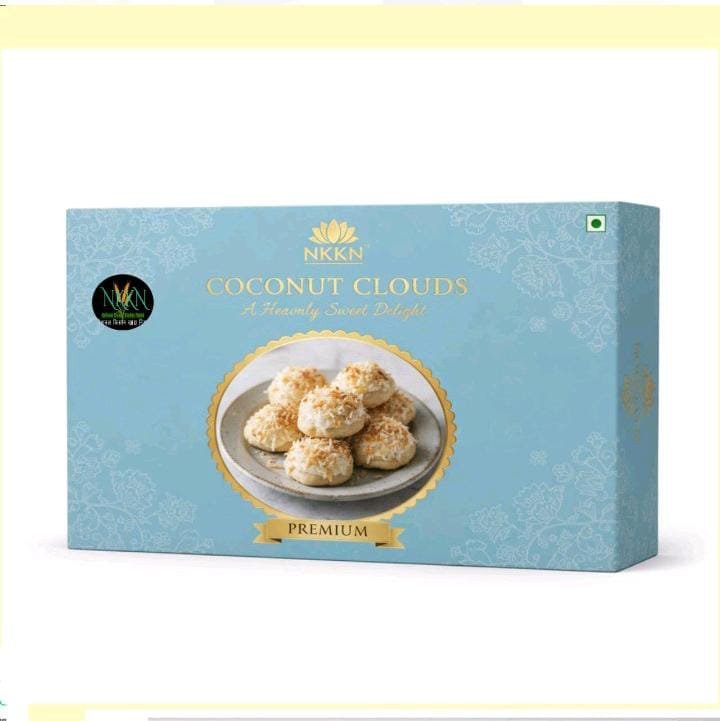
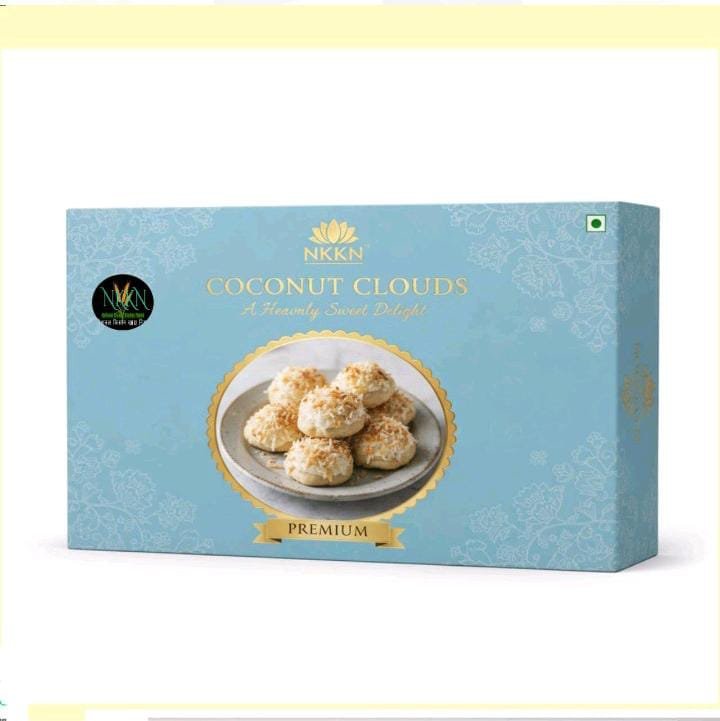
Coconut Cloud Cookies are soft, airy, and delicious cookies that perfectly capture the delicate sweetness and tropical aroma of coconut. These delightful treats are known for their light texture, melt-in-the-mouth softness, and irresistible flavor. At NKKN Coconut Cloud Cookies are carefully crafted using premium ingredients and refined baking techniques to create a cookie experience that feels both comforting and luxurious.
Cookies have always been a popular dessert around the world, but Coconut Cloud Cookies stand out because of their unique texture and flavor. They are lighter than traditional cookies and often have a soft, fluffy structure that almost feels like biting into a sweet cloud. Combined with the natural richness of coconut, these cookies become a dessert that is both indulgent and refreshing.
NKKN brings its passion for quality and flavor into every batch of Coconut Cloud Cookies. Each cookie is prepared with attention to detail to ensure that it offers the perfect balance of sweetness, softness, and tropical aroma.
NKKN Coconut Clouds
The Inspiration Behind Coconut Cloud Cookies
The inspiration for Coconut Cloud Cookies comes from the desire to create a cookie that feels light and delicate while still delivering rich flavor. Traditional coconut cookies are often dense and chewy, but cloud-style cookies focus on softness and airiness.
The idea is simple: combine the natural sweetness of coconut with a light, fluffy cookie structure. This combination creates a dessert that feels gentle and comforting while still being satisfying.
At NKKN, the development of Coconut Cloud Cookies involved experimenting with different baking techniques and ingredient ratios to achieve the perfect texture. The result is a cookie that is soft, airy, and beautifully flavored with coconut.
These cookies are perfect for anyone who enjoys desserts that are not overly heavy but still full of delicious taste.
What Makes Coconut Cloud Cookies Unique
Coconut Cloud Cookies have several characteristics that make them different from regular cookies.
Light and Airy Texture
Unlike dense cookies, cloud cookies are soft and fluffy. Their delicate structure makes them feel almost weightless when you bite into them.
Natural Coconut Flavor
The cookies feature a gentle coconut flavor that is sweet, aromatic, and refreshing.
Melt-in-the-Mouth Experience
Because of their soft structure, these cookies melt smoothly in the mouth, leaving behind a pleasant coconut taste.
Balanced Sweetness
NKKN carefully controls the sweetness level so that the cookies taste rich without being overwhelming.
These qualities make Coconut Cloud Cookies a unique dessert that appeals to people of all ages.
Premium Ingredients Used by NKKN
At NKKN, quality ingredients are the foundation of every delicious dessert. Coconut Cloud Cookies are made using carefully selected components to ensure superior taste and texture.
Coconut Flakes
Shredded coconut or coconut flakes provide the signature tropical flavor and slight texture in the cookies.
Egg Whites
Egg whites are essential for creating the airy structure that gives cloud cookies their soft and fluffy texture.
Sugar
A balanced amount of sugar is used to create sweetness while maintaining the light texture.
Vanilla Extract
Vanilla adds warmth and enhances the natural flavor of coconut.
Almond Flour or Wheat Flour
Depending on the recipe, a small amount of flour is used to give structure to the cookies.
Butter or Coconut Oil
These ingredients add richness and help achieve a soft, delicate texture.
By combining these ingredients carefully, NKKN ensures that each Coconut Cloud Cookie is delicious, fresh, and satisfying.
The Preparation Process of Coconut Cloud Cookies
Creating Coconut Cloud Cookies requires a precise baking process to achieve the perfect texture.
Step 1 – Preparing the Ingredients
All ingredients are measured carefully to maintain the balance between lightness and structure.
Step 2 – Whipping the Egg Whites
Egg whites are whipped until they form soft peaks. This step is crucial for creating the airy texture.
Step 3 – Mixing the Coconut
Shredded coconut is gently folded into the whipped mixture to maintain the light structure.
Step 4 – Adding Flavorings
Vanilla and other flavor enhancers are added to bring out the aromatic sweetness.
Step 5 – Shaping the Cookies
Small portions of the mixture are placed on a baking tray to form cookie shapes.
Step 6 – Baking
The cookies are baked at a controlled temperature until they become slightly golden on the outside while remaining soft inside.
Step 7 – Cooling
After baking, the cookies are cooled to allow their texture to stabilize and develop their final flavor.
This careful process ensures that every NKKN Coconut Cloud Cookie has the perfect balance of softness and sweetness.
Flavor and Texture Experience
Coconut Cloud Cookies provide a delightful sensory experience.
Soft Exterior
The outside of the cookie is lightly crisp while remaining soft.
Fluffy Interior
Inside, the cookie feels airy and delicate, almost like a sweet cloud.
Gentle Coconut Sweetness
The coconut flavor is light and aromatic, creating a refreshing taste.
Smooth Finish
The cookies leave a pleasant sweetness that is not overly heavy.
This combination makes Coconut Cloud Cookies a dessert that feels both comforting and elegant.
Nutritional Aspects of Coconut
While Coconut Cloud Cookies are primarily a dessert, the coconut ingredient brings certain nutritional benefits.
Natural Energy
Coconut contains natural fats that provide energy.
Fiber Content
Coconut flakes include dietary fiber that supports digestion.
Minerals
Coconut contains minerals such as manganese and potassium.
Light Dessert Option
Because these cookies are airy and not overly dense, they can feel lighter compared to some traditional sweets.
As with all desserts, Coconut Cloud Cookies are best enjoyed in moderation.
Perfect Occasions for Coconut Cloud Cookies
These cookies are versatile and suitable for many occasions.
Tea-Time Treat
Their light sweetness makes them perfect with tea or coffee.
Festive Celebrations
Coconut Cloud Cookies look beautiful on dessert platters during festivals.
Family Gatherings
They are ideal for sharing with family and friends.
Gift Boxes
NKKN Coconut Cloud Cookies can be packaged elegantly for gifting.
Dessert Buffets
Their delicate appearance makes them a great addition to dessert displays.
Serving Suggestions
There are many ways to enjoy Coconut Cloud Cookies.
With Coffee
The mild sweetness pairs perfectly with coffee or cappuccino.
With Hot Chocolate
A warm drink enhances the coconut flavor.
With Ice Cream
Crumbled cookies can be used as a topping for vanilla or coconut ice cream.
As a Dessert Platter
Serve them alongside other NKKN sweets for a premium dessert spread.
Storage and Shelf Life
To maintain freshness and flavor, proper storage is important.
Store the cookies in an airtight container.
Keep them in a cool and dry place.
Avoid exposure to humidity.
Consume within several days for the best taste.
These steps help preserve the soft texture and coconut aroma.
National Kisaan Khadhaya Nigam
Creative Variations of Coconut Cloud Cookies
While the classic Coconut Cloud Cookies are delicious on their own, creative variations can make them even more exciting.
Chocolate Coconut Cloud Cookies
Adding chocolate chips creates a rich and indulgent twist.
Lemon Coconut Cloud Cookies
A hint of lemon zest adds refreshing citrus notes.
Almond Coconut Cloud Cookies
Almond pieces introduce a pleasant nutty flavor.
Toasted Coconut Cloud Cookies
Using toasted coconut flakes enhances aroma and crunch.
NKKN often explores such variations to bring new and exciting flavors to customers.
The Growing Popularity of Coconut-Based Desserts
Coconut desserts have become increasingly popular around the world. People appreciate coconut for its natural sweetness, versatility, and tropical flavor.
From coconut cakes and puddings to cookies and pies, this ingredient continues to inspire innovative desserts.
Coconut Cloud Cookies represent a modern interpretation of coconut sweets. Their light texture and delicate flavor make them appealing to people who enjoy desserts that feel elegant yet comforting.
Why Choose NKKN Coconut Cloud Cookies
NKKN is dedicated to creating sweets that combine premium quality with delightful flavor.
High-Quality Ingredients
Only carefully selected coconut and baking ingredients are used.
Expert Baking Techniques
Every cookie is crafted with precision to achieve the perfect texture.
Balanced Flavor
The sweetness and coconut flavor are carefully balanced.
Attractive Presentation
NKKN products are beautifully packaged and visually appealing.
Consistent Quality
Each batch is prepared with strict quality standards.
These qualities make NKKN Coconut Cloud Cookies a trusted choice for dessert lovers.
NKKN – A Brand That Celebrates Sweet Excellence
NKKN is a brand committed to delivering high-quality sweets and desserts that bring joy to customers. By combining traditional inspiration with modern creativity, the brand creates products that appeal to contemporary tastes while maintaining authentic flavors.
From classic sweets to innovative cookies and desserts, NKKN focuses on premium ingredients, careful preparation, and elegant presentation.
Coconut Cloud Cookies perfectly represent NKKN’s dedication to creating desserts that are both delicious and memorable.
Conclusion
Coconut Cloud Cookies are a delightful dessert that combines the tropical flavor of coconut with a light, airy texture. Their soft structure, gentle sweetness, and aromatic flavor make them a treat that feels both comforting and luxurious.
At NKKN, these cookies are crafted with high-quality ingredients and expert baking techniques to ensure exceptional taste and texture. Each bite delivers the perfect balance of softness and coconut flavor, making the cookies a favorite among dessert lovers.
Whether enjoyed during tea time, shared with loved ones, or presented as a thoughtful gift, NKKN Coconut Cloud Cookies offer a sweet experience that feels as light and delightful as a cloud.
Coconut Cloud Cookies are soft, airy, and delicious cookies that perfectly capture the delicate sweetness and tropical aroma of coconut. These delightful treats are known for their light texture, melt-in-the-mouth softness, and irresistible flavor. At NKKN Coconut Cloud Cookies are carefully crafted using premium ingredients and refined baking techniques to create a cookie experience that feels both comforting and luxurious.
Cookies have always been a popular dessert around the world, but Coconut Cloud Cookies stand out because of their unique texture and flavor. They are lighter than traditional cookies and often have a soft, fluffy structure that almost feels like biting into a sweet cloud. Combined with the natural richness of coconut, these cookies become a dessert that is both indulgent and refreshing.
NKKN brings its passion for quality and flavor into every batch of Coconut Cloud Cookies. Each cookie is prepared with attention to detail to ensure that it offers the perfect balance of sweetness, softness, and tropical aroma.
NKKN Coconut Clouds
The Inspiration Behind Coconut Cloud Cookies
The inspiration for Coconut Cloud Cookies comes from the desire to create a cookie that feels light and delicate while still delivering rich flavor. Traditional coconut cookies are often dense and chewy, but cloud-style cookies focus on softness and airiness.
The idea is simple: combine the natural sweetness of coconut with a light, fluffy cookie structure. This combination creates a dessert that feels gentle and comforting while still being satisfying.
At NKKN, the development of Coconut Cloud Cookies involved experimenting with different baking techniques and ingredient ratios to achieve the perfect texture. The result is a cookie that is soft, airy, and beautifully flavored with coconut.
These cookies are perfect for anyone who enjoys desserts that are not overly heavy but still full of delicious taste.
What Makes Coconut Cloud Cookies Unique
Coconut Cloud Cookies have several characteristics that make them different from regular cookies.
Light and Airy Texture
Unlike dense cookies, cloud cookies are soft and fluffy. Their delicate structure makes them feel almost weightless when you bite into them.
Natural Coconut Flavor
The cookies feature a gentle coconut flavor that is sweet, aromatic, and refreshing.
Melt-in-the-Mouth Experience
Because of their soft structure, these cookies melt smoothly in the mouth, leaving behind a pleasant coconut taste.
Balanced Sweetness
NKKN carefully controls the sweetness level so that the cookies taste rich without being overwhelming.
These qualities make Coconut Cloud Cookies a unique dessert that appeals to people of all ages.
Premium Ingredients Used by NKKN
At NKKN, quality ingredients are the foundation of every delicious dessert. Coconut Cloud Cookies are made using carefully selected components to ensure superior taste and texture.
Coconut Flakes
Shredded coconut or coconut flakes provide the signature tropical flavor and slight texture in the cookies.
Egg Whites
Egg whites are essential for creating the airy structure that gives cloud cookies their soft and fluffy texture.
Sugar
A balanced amount of sugar is used to create sweetness while maintaining the light texture.
Vanilla Extract
Vanilla adds warmth and enhances the natural flavor of coconut.
Almond Flour or Wheat Flour
Depending on the recipe, a small amount of flour is used to give structure to the cookies.
Butter or Coconut Oil
These ingredients add richness and help achieve a soft, delicate texture.
By combining these ingredients carefully, NKKN ensures that each Coconut Cloud Cookie is delicious, fresh, and satisfying.
The Preparation Process of Coconut Cloud Cookies
Creating Coconut Cloud Cookies requires a precise baking process to achieve the perfect texture.
Step 1 – Preparing the Ingredients
All ingredients are measured carefully to maintain the balance between lightness and structure.
Step 2 – Whipping the Egg Whites
Egg whites are whipped until they form soft peaks. This step is crucial for creating the airy texture.
Step 3 – Mixing the Coconut
Shredded coconut is gently folded into the whipped mixture to maintain the light structure.
Step 4 – Adding Flavorings
Vanilla and other flavor enhancers are added to bring out the aromatic sweetness.
Step 5 – Shaping the Cookies
Small portions of the mixture are placed on a baking tray to form cookie shapes.
Step 6 – Baking
The cookies are baked at a controlled temperature until they become slightly golden on the outside while remaining soft inside.
Step 7 – Cooling
After baking, the cookies are cooled to allow their texture to stabilize and develop their final flavor.
This careful process ensures that every NKKN Coconut Cloud Cookie has the perfect balance of softness and sweetness.
Flavor and Texture Experience
Coconut Cloud Cookies provide a delightful sensory experience.
Soft Exterior
The outside of the cookie is lightly crisp while remaining soft.
Fluffy Interior
Inside, the cookie feels airy and delicate, almost like a sweet cloud.
Gentle Coconut Sweetness
The coconut flavor is light and aromatic, creating a refreshing taste.
Smooth Finish
The cookies leave a pleasant sweetness that is not overly heavy.
This combination makes Coconut Cloud Cookies a dessert that feels both comforting and elegant.
Nutritional Aspects of Coconut
While Coconut Cloud Cookies are primarily a dessert, the coconut ingredient brings certain nutritional benefits.
Natural Energy
Coconut contains natural fats that provide energy.
Fiber Content
Coconut flakes include dietary fiber that supports digestion.
Minerals
Coconut contains minerals such as manganese and potassium.
Light Dessert Option
Because these cookies are airy and not overly dense, they can feel lighter compared to some traditional sweets.
As with all desserts, Coconut Cloud Cookies are best enjoyed in moderation.
Perfect Occasions for Coconut Cloud Cookies
These cookies are versatile and suitable for many occasions.
Tea-Time Treat
Their light sweetness makes them perfect with tea or coffee.
Festive Celebrations
Coconut Cloud Cookies look beautiful on dessert platters during festivals.
Family Gatherings
They are ideal for sharing with family and friends.
Gift Boxes
NKKN Coconut Cloud Cookies can be packaged elegantly for gifting.
Dessert Buffets
Their delicate appearance makes them a great addition to dessert displays.
Serving Suggestions
There are many ways to enjoy Coconut Cloud Cookies.
With Coffee
The mild sweetness pairs perfectly with coffee or cappuccino.
With Hot Chocolate
A warm drink enhances the coconut flavor.
With Ice Cream
Crumbled cookies can be used as a topping for vanilla or coconut ice cream.
As a Dessert Platter
Serve them alongside other NKKN sweets for a premium dessert spread.
Storage and Shelf Life
To maintain freshness and flavor, proper storage is important.
Store the cookies in an airtight container.
Keep them in a cool and dry place.
Avoid exposure to humidity.
Consume within several days for the best taste.
These steps help preserve the soft texture and coconut aroma.
National Kisaan Khadhaya Nigam
Creative Variations of Coconut Cloud Cookies
While the classic Coconut Cloud Cookies are delicious on their own, creative variations can make them even more exciting.
Chocolate Coconut Cloud Cookies
Adding chocolate chips creates a rich and indulgent twist.
Lemon Coconut Cloud Cookies
A hint of lemon zest adds refreshing citrus notes.
Almond Coconut Cloud Cookies
Almond pieces introduce a pleasant nutty flavor.
Toasted Coconut Cloud Cookies
Using toasted coconut flakes enhances aroma and crunch.
NKKN often explores such variations to bring new and exciting flavors to customers.
The Growing Popularity of Coconut-Based Desserts
Coconut desserts have become increasingly popular around the world. People appreciate coconut for its natural sweetness, versatility, and tropical flavor.
From coconut cakes and puddings to cookies and pies, this ingredient continues to inspire innovative desserts.
Coconut Cloud Cookies represent a modern interpretation of coconut sweets. Their light texture and delicate flavor make them appealing to people who enjoy desserts that feel elegant yet comforting.
Why Choose NKKN Coconut Cloud Cookies
NKKN is dedicated to creating sweets that combine premium quality with delightful flavor.
High-Quality Ingredients
Only carefully selected coconut and baking ingredients are used.
Expert Baking Techniques
Every cookie is crafted with precision to achieve the perfect texture.
Balanced Flavor
The sweetness and coconut flavor are carefully balanced.
Attractive Presentation
NKKN products are beautifully packaged and visually appealing.
Consistent Quality
Each batch is prepared with strict quality standards.
These qualities make NKKN Coconut Cloud Cookies a trusted choice for dessert lovers.
NKKN – A Brand That Celebrates Sweet Excellence
NKKN is a brand committed to delivering high-quality sweets and desserts that bring joy to customers. By combining traditional inspiration with modern creativity, the brand creates products that appeal to contemporary tastes while maintaining authentic flavors.
From classic sweets to innovative cookies and desserts, NKKN focuses on premium ingredients, careful preparation, and elegant presentation.
Coconut Cloud Cookies perfectly represent NKKN’s dedication to creating desserts that are both delicious and memorable.
Conclusion
Coconut Cloud Cookies are a delightful dessert that combines the tropical flavor of coconut with a light, airy texture. Their soft structure, gentle sweetness, and aromatic flavor make them a treat that feels both comforting and luxurious.
At NKKN, these cookies are crafted with high-quality ingredients and expert baking techniques to ensure exceptional taste and texture. Each bite delivers the perfect balance of softness and coconut flavor, making the cookies a favorite among dessert lovers.
Whether enjoyed during tea time, shared with loved ones, or presented as a thoughtful gift, NKKN Coconut Cloud Cookies offer a sweet experience that feels as light and delightful as a cloud.
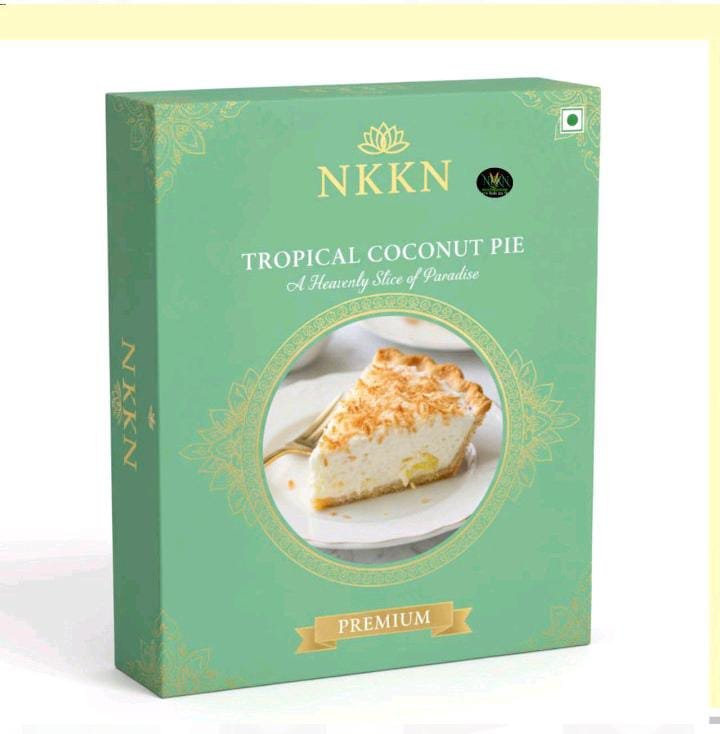
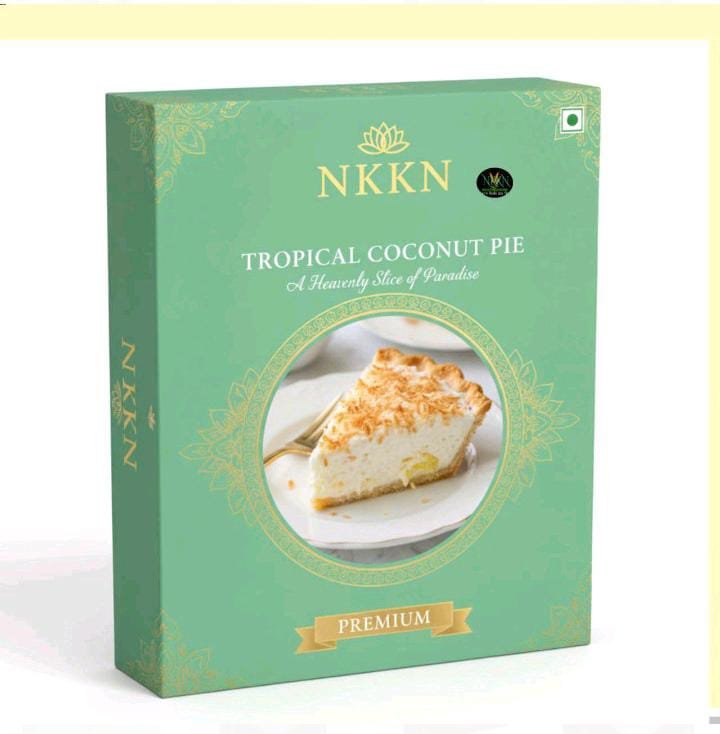
Tropical Coconut Pie is a rich, creamy, and flavorful dessert that captures the essence of tropical sweetness in every bite. Known for its soft texture, aromatic coconut flavor, and delightful sweetness, this dessert has become a favorite among people who enjoy coconut-based treats. At NNKN, Tropical Coconut Pie is crafted with premium ingredients and expert care, creating a dessert that perfectly balances indulgence and freshness.
Coconut has long been cherished in desserts across many cultures due to its natural sweetness and rich texture. When combined with a buttery crust and a creamy filling, it transforms into a dessert that feels both comforting and luxurious. NNKN’s Tropical Coconut Pie celebrates this beloved ingredient by creating a pie that is both traditional in inspiration and modern in presentation.
Whether served at celebrations, enjoyed as a family dessert, or shared during special moments, NNKN Tropical Coconut Pie offers a delightful experience that brings tropical flavors to every table.
The Inspiration Behind Tropical Coconut Pie
The idea of Tropical Coconut Pie comes from the love of island-style desserts where coconut plays the starring role. Tropical regions around the world use coconut in countless dishes—from beverages and snacks to rich desserts.
NNKN Tropical Coconut Pie
The inspiration for this pie lies in combining the creamy richness of coconut with the comforting structure of a classic pie. The result is a dessert that feels indulgent yet refreshing.
At NNKN, this dessert was developed with the goal of delivering a premium coconut experience. The culinary team carefully experimented with textures, flavors, and ingredients to ensure that the pie highlights the natural charm of coconut while maintaining the smooth and satisfying consistency expected from a gourmet dessert.
Why Coconut Is a Perfect Dessert Ingredient
Coconut is one of the most versatile ingredients in dessert making. It can be used in many forms such as shredded coconut, coconut milk, coconut cream, or toasted coconut flakes.
Its popularity in sweets comes from several characteristics:
Natural Sweetness
Coconut has a mild natural sweetness that blends beautifully with other dessert ingredients.
Creamy Texture
Coconut milk and coconut cream create smooth and luxurious dessert fillings.
Aromatic Flavor
The subtle tropical aroma of coconut makes desserts feel refreshing and exotic.
Versatility
Coconut works well in pies, cakes, cookies, puddings, and many other treats.
In Tropical Coconut Pie, all these qualities come together to create a dessert that is rich yet pleasantly light.
Premium Ingredients Used by NNKN
At NNKN, the quality of ingredients is a top priority. Each Tropical Coconut Pie is made using carefully selected components to ensure exceptional flavor and consistency.
Fresh Coconut
Shredded coconut or coconut flakes provide the signature flavor and texture of the pie.
Coconut Milk and Coconut Cream
These ingredients create the smooth, creamy filling that defines the dessert.
Butter
Butter is used in the crust to provide richness and a delicate flaky texture.
Wheat Flour
High-quality flour forms the base of the pie crust.
Sugar
Balanced sweetness enhances the coconut flavor without overpowering it.
Eggs
Eggs help bind the filling and give it a smooth custard-like consistency.
Vanilla Extract
A touch of vanilla enhances the aroma and complements the coconut flavor.
These ingredients combine to create a dessert that feels luxurious yet comforting.
The Preparation Process of Tropical Coconut Pie
Making a perfect Tropical Coconut Pie requires careful preparation and attention to detail.
Step 1 – Preparing the Pie Crust
The crust is made by mixing flour, butter, and a small amount of sugar. The dough is rolled out and placed in a pie dish to create a sturdy base.
Step 2 – Pre-Baking the Crust
The crust is lightly baked to ensure it remains crisp and does not become soggy when the filling is added.
Step 3 – Preparing the Coconut Filling
Coconut milk, coconut cream, sugar, eggs, and shredded coconut are mixed together to create a smooth filling mixture.
Step 4 – Flavoring the Filling
Vanilla extract and sometimes a pinch of salt are added to enhance the flavor.
Step 5 – Filling the Pie
The coconut mixture is poured into the prepared crust.
Step 6 – Baking the Pie
The pie is baked until the filling becomes firm and slightly golden on top.
Step 7 – Cooling and Garnishing
After baking, the pie is cooled and topped with toasted coconut flakes or whipped cream for a beautiful presentation.
This careful process ensures that every NNKN Tropical Coconut Pie delivers a consistent and delicious experience.
Texture and Flavor Profile
The charm of Tropical Coconut Pie lies in its unique combination of textures and flavors.
Buttery Crust
The crust is crisp and flaky, providing a perfect contrast to the creamy filling.
Creamy Coconut Filling
The filling is soft, smooth, and rich, with a custard-like consistency.
Coconut Flake Texture
Shredded coconut adds a subtle chewiness that enhances the overall experience.
Light Sweetness
National Kisaan Khadhaya Nigam
The sweetness is balanced so that the natural flavor of coconut remains the highlight.
Together, these elements create a dessert that is both comforting and indulgent.
Nutritional Aspects of Coconut
While Tropical Coconut Pie is primarily a dessert meant for enjoyment, coconut itself offers several nutritional benefits.
Healthy Fats
Coconut contains natural fats that provide energy and help create the creamy texture of desserts.
Fiber Content
Shredded coconut contains dietary fiber that supports digestion.
Minerals
Coconut is known to contain minerals such as manganese and copper.
Natural Energy
The combination of coconut and sugar provides a quick energy boost.
Like most desserts, Tropical Coconut Pie is best enjoyed in moderation as part of a balanced lifestyle.
Perfect Occasions to Serve Tropical Coconut Pie
Tropical Coconut Pie is suitable for many occasions and gatherings.
Family Desserts
It makes a wonderful dessert after a family meal.
Festive Celebrations
Its rich flavor and attractive appearance make it ideal for celebrations.
Holiday Meals
Many people enjoy coconut desserts during festive seasons.
Tea-Time Treat
A slice of coconut pie pairs beautifully with tea or coffee.
Dessert Parties
Its elegant look makes it a great addition to dessert buffets.
Serving Suggestions
To enhance the enjoyment of Tropical Coconut Pie, consider these serving ideas.
With Whipped Cream
Adding a dollop of whipped cream creates a lighter and creamier experience.
With Fresh Fruits
Slices of pineapple or mango can complement the tropical flavor.
With Ice Cream
Serving the pie with vanilla ice cream creates a luxurious dessert combination.
Slightly Chilled
Chilling the pie slightly can enhance its creamy texture and refreshing taste.
Storage and Shelf Life
Proper storage helps maintain the freshness and flavor of Tropical Coconut Pie.
Store the pie in an airtight container.
Keep it refrigerated to maintain its creamy texture.
Consume within a few days for the best taste.
Avoid leaving the pie at room temperature for extended periods.
Following these simple steps ensures that the pie remains delicious and fresh.
Creative Variations of Coconut Pie
Although the classic Tropical Coconut Pie is delightful on its own, several variations can add new flavors and textures.
Chocolate Coconut Pie
Adding a chocolate layer creates a rich and indulgent dessert.
Pineapple Coconut Pie
Pineapple enhances the tropical theme with its tangy sweetness.
Lime Coconut Pie
A touch of lime zest introduces refreshing citrus notes.
Almond Coconut Pie
Adding almonds provides extra crunch and nutty flavor.
NNKN occasionally explores such creative variations to bring exciting new desserts to customers.
The Rising Popularity of Coconut Desserts
Coconut-based desserts have gained significant popularity around the world. People appreciate coconut for its natural flavor, versatility, and ability to create rich textures in desserts.
From coconut cakes and cookies to puddings and pies, this ingredient continues to inspire new culinary creations.
Tropical Coconut Pie is a perfect example of how a simple ingredient can be transformed into a sophisticated dessert. NNKN’s version stands out for its balanced flavor, creamy texture, and premium quality.
Why Choose NNKN Tropical Coconut Pie
NNKN has built a reputation for delivering high-quality desserts that combine flavor, craftsmanship, and elegance.
Premium Ingredients
Only carefully selected ingredients are used to create each pie.
Expert Preparation
Every step of the preparation process is handled with care and precision.
Balanced Flavor
The sweetness and coconut flavor are perfectly balanced.
Attractive Presentation
NNKN desserts are designed to look as beautiful as they taste.
Consistent Quality
Every Tropical Coconut Pie is crafted to maintain the same high standard.
NNKN – A Brand Dedicated to Sweet Excellence
NNKN believes that desserts are more than just food—they are experiences that bring people together. The brand focuses on combining traditional inspiration with modern techniques to create desserts that delight customers.
From classic sweets to innovative treats, NNKN continues to expand its offerings while maintaining a strong commitment to quality, flavor, and customer satisfaction.
Tropical Coconut Pie is one of the desserts that perfectly represents the brand’s philosophy of creating memorable and delicious experiences.
Conclusion
Tropical Coconut Pie is a delightful dessert that celebrates the rich and aromatic flavor of coconut. With its buttery crust, creamy filling, and delicate sweetness, it offers a comforting and indulgent treat for dessert lovers.
At NNKN, this classic dessert is crafted with premium ingredients and expert care to ensure exceptional taste and texture. Each slice reflects the brand’s dedication to quality and culinary excellence.
Whether served at celebrations, enjoyed with family, or shared with friends, NNKN Tropical Coconut Pie brings a taste of the tropics to every occasion. Its creamy texture, refreshing flavor, and elegant presentation make it a dessert that continues to delight people everywhere.