Blog

  • Ragi Oats Laddu A Nutritious Indian Sweet by NKKN

    Ragi Oats Laddu A Nutritious Indian Sweet by NKKN

    In today’s fast-paced lifestyle, people are constantly searching for healthy snack options that are both delicious and nourishing. Traditional Indian sweets are loved across generations, but many of them are loaded with refined sugar and excess ghee. What if you could enjoy a wholesome, energy-packed sweet without compromising on health? That’s where NKKN Ragi Oats Laddu comes in — a perfect blend of taste, tradition, and nutrition.

    This blog explores everything you need to know about Ragi Oats Laddu: its health benefits, ingredients, preparation method, variations, nutritional value, storage tips, and why NKKN believes it’s one of the best modern traditional sweets you can add to your daily diet.

    What is Ragi Oats Laddu?
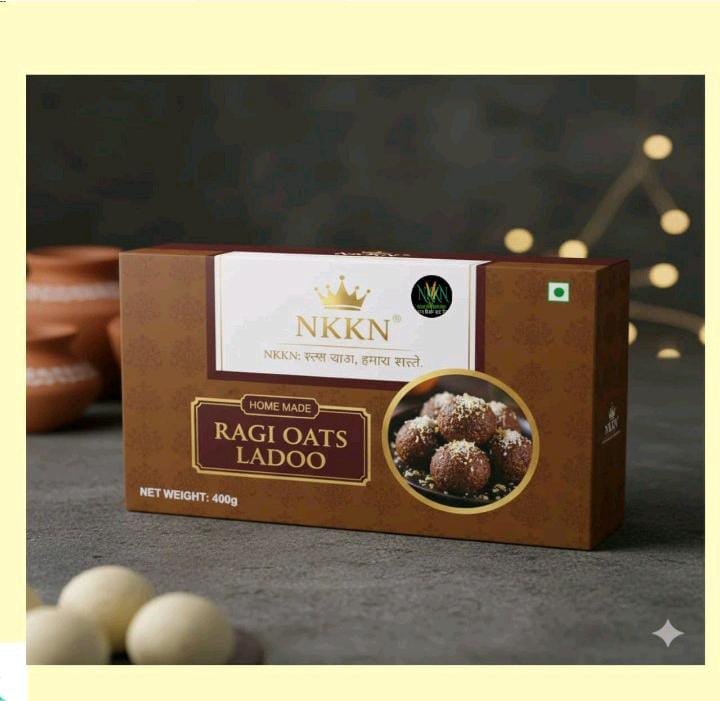
    NKKN Ragi Oats Laddu
    NKKN Ragi Oats Laddu

    Ragi Oats Laddu is a healthy Indian sweet made primarily from ragi (finger millet) and oats. It combines ancient Indian grains with modern health-focused ingredients to create a nutrient-dense energy ball. Unlike conventional laddus made with refined flour and sugar, this version uses wholesome ingredients like jaggery, nuts, seeds, and minimal ghee.

    At NKKN, we believe in preserving tradition while adapting it to modern wellness trends. Ragi and oats together create a powerhouse combination rich in fiber, calcium, iron, and essential nutrients.

    Why Ragi and Oats Are a Perfect Combination

    1. Ragi – The Calcium King

    Ragi, also known as finger millet, is one of the most nutritious grains in India. It has been part of traditional diets for centuries.

    Health Benefits of Ragi:

    • Rich in calcium (great for bones and teeth)
    • High in iron (helps prevent anemia)
    • Excellent source of dietary fiber
    • Supports weight management
    • Regulates blood sugar levels
    • Good for heart health

    Ragi is gluten-free, making it ideal for people with gluten sensitivity.

    2. Oats – The Fiber Champion

    Oats are globally recognized as a superfood. They are loaded with beta-glucan fiber that helps reduce cholesterol and improve digestion.

    Health Benefits of Oats:

    • Supports heart health
    • Improves digestion
    • Keeps you full for longer
    • Helps in weight management
    • Stabilizes blood sugar levels

    When ragi and oats are combined, they create a balanced sweet that provides sustained energy without causing sugar spikes.

    Ingredients Used in NKKN Ragi Oats Laddu

    At NKKN, we focus on clean, natural ingredients. Here’s what typically goes into making Ragi Oats Laddu:

    • Ragi flour (freshly roasted)
    • Rolled oats (dry roasted and powdered)
    • Organic jaggery (natural sweetener)
    • Ghee (in moderate quantity)
    • Mixed nuts (almonds, cashews)
    • Seeds (flax seeds, sesame seeds, chia seeds – optional)
    • Cardamom powder (for aroma)
    • Dry coconut (optional)
    • Raisins (for natural sweetness)

    Each ingredient adds not just taste but also nutritional value.

    Step-by-Step Recipe – How to Make Ragi Oats Laddu at Home

    If you want to prepare this healthy sweet at home, follow this simple method.

    Step 1: Roast the Oats

    Dry roast oats in a pan on low flame until slightly golden and aromatic. Allow them to cool and grind into a coarse powder.

    Step 2: Roast Ragi Flour

    In the same pan, dry roast ragi flour on low flame for 5–7 minutes until the raw smell disappears.

    Step 3: Prepare the Nut Mix

    Dry roast chopped nuts and seeds lightly to enhance their flavor.

    Step 4: Melt Jaggery

    In a separate pan, add grated jaggery with 1–2 tablespoons of water. Heat until it melts completely. Strain if needed to remove impurities.

    NKKN
    National Kisaan Khadhaya Nigam

    Step 5: Mix Everything Together

    Add roasted ragi flour and oats powder to the melted jaggery. Mix well. Add ghee, nuts, seeds, cardamom powder, and raisins.

    Step 6: Shape the Laddus

    While the mixture is warm, grease your hands with ghee and shape into small round balls.

    Let them cool completely before storing.

    Nutritional Value of Ragi Oats Laddu

    A single laddu (approx. 25–30 grams) contains:

    • Calories: 110–140 kcal
    • Protein: 3–4 grams
    • Fiber: 2–3 grams
    • Calcium: High content (thanks to ragi)
    • Iron: Moderate amount
    • Healthy fats from nuts and seeds

    These laddus are ideal as:

    • Morning snack
    • Pre-workout energy booster
    • Kids’ tiffin treat
    • Evening tea-time snack
    • Travel-friendly food

    Why Choose NKKN Ragi Oats Laddu?

    NKKN stands for quality, nutrition, and authenticity. Our Ragi Oats Laddu is made with:

    Premium quality ragi
    High-grade rolled oats
    Natural jaggery
    No artificial preservatives
    No refined sugar
    No artificial colors

    We ensure hygienic preparation and maintain traditional flavors while focusing on modern health needs.

    Health Benefits of Ragi Oats Laddu

    1. Supports Weight Management

    The high fiber content keeps you full for longer, reducing unnecessary snacking.

    2. Good for Diabetics (In Moderation)

    Made with jaggery instead of refined sugar, it has a lower glycemic impact when consumed moderately.

    3. Excellent for Kids

    Rich in calcium and iron, it supports growth and development.

    4. Boosts Energy Levels

    Ideal for busy professionals and students needing sustained energy.

    5. Improves Digestion

    Fiber from ragi and oats supports healthy digestion.

    6. Strengthens Bones

    Ragi is one of the richest plant sources of calcium.

    Variations of Ragi Oats Laddu

    At NKKN, we experiment with healthy variations to suit different preferences.

    1. Chocolate Ragi Oats Laddu

    Add cocoa powder for a kid-friendly twist.

    2. Dry Fruit Special Laddu

    Add extra almonds, pistachios, and dates.

    3. Protein Boost Laddu

    Add plant-based protein powder.

    4. Vegan Version

    Replace ghee with coconut oil.

    5. No-Cook Version

    Use roasted ragi flour and powdered oats without extra cooking.

    Storage Tips

    • Store in an airtight container.
    • Keep in a cool, dry place.
    • Shelf life: 10–15 days at room temperature.
    • Refrigeration extends shelf life up to 3–4 weeks.

    Avoid moisture exposure to maintain freshness.

    Who Can Eat Ragi Oats Laddu?

    • Children above 2 years
    • Working professionals
    • Gym enthusiasts
    • Pregnant women (after medical consultation)
    • Elderly people
    • Anyone looking for a healthy sweet alternative

    Ragi Oats Laddu vs Traditional Besan Laddu

    FeatureRagi Oats LadduTraditional Besan Laddu
    Main IngredientRagi & OatsGram flour
    SweetenerJaggerySugar
    Fiber ContentHighModerate
    CalciumVery HighLow
    Suitable for Weight LossYes (moderate)Less suitable
    DigestibilityEasyHeavy

    Ragi Oats Laddu clearly stands out as a healthier option.

    Perfect for Festivals and Gifting

    Ragi Oats Laddu is not just a health snack — it is perfect for festive gifting. Whether it’s Diwali, Raksha Bandhan, or a family celebration, NKKN’s healthy laddus make thoughtful and nutritious gifts.

    You can pack them in eco-friendly boxes and share sweetness without guilt.

    Why Millets Are Trending Globally

    Millets like ragi are gaining worldwide recognition due to their health benefits and sustainability. They require less water and are environmentally friendly crops. Including millets in daily diets supports both personal health and the planet.

    NKKN proudly supports millet-based products for a healthier future.

    Frequently Asked Questions (FAQs)

    Is Ragi Oats Laddu gluten-free?

    Yes, both ragi and oats are naturally gluten-free. Ensure oats are certified gluten-free.

    Can diabetics eat it?

    Yes, in moderation and after consulting a doctor.

    Is it suitable for weight loss?

    Yes, when consumed in controlled portions.

    Can I give it to toddlers?

    Yes, after 2 years of age and in small quantities.

    How many laddus can I eat per day?

    1–2 laddus are ideal for most adults.

    Tips for Perfect Ragi Oats Laddu

    • Roast ingredients on low flame.
    • Use good quality jaggery.
    • Shape laddus while warm.
    • Do not overheat jaggery syrup.
    • Store properly to retain freshness.

    Final Thoughts

    Healthy eating does not mean giving up on sweets. With NKKN Ragi Oats Laddu, you can enjoy the richness of traditional Indian flavors combined with the power of superfoods like ragi and oats.

    It’s nutritious.
    It’s delicious.
    It’s wholesome.

    Whether you are a fitness enthusiast, a parent looking for healthy snacks for kids, or someone who simply loves laddus — NKKN Ragi Oats Laddu is a smart choice.

    Make the switch from refined sweets to nutritious indulgence. Choose NKKN. Choose health with taste.
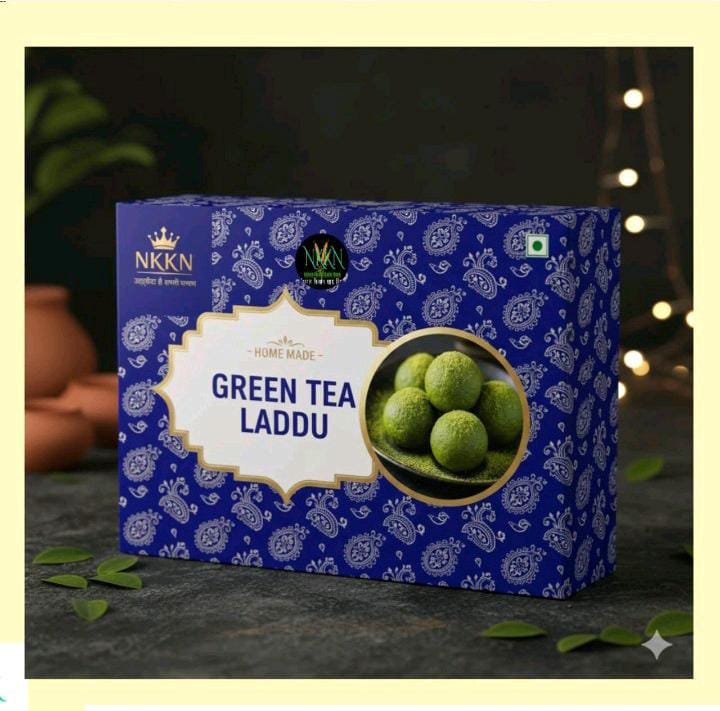
  • Green Tea Laddu A Healthy Fusion Sweet by NKKN

    Green Tea Laddu A Healthy Fusion Sweet by NKKN

    In today’s world, where people are becoming more conscious about what they eat, traditional sweets are also evolving. At NKKN, we love experimenting with classic Indian desserts and giving them a modern, health-inspired twist. One such innovation is the Green Tea Laddu—a unique fusion sweet that blends the earthy goodness of green tea with the richness of traditional Indian ingredients.

    Green Tea Laddu is not just a dessert; it is a thoughtful balance between indulgence and wellness. With its subtle bitterness, mild sweetness, and nutty texture, this laddu offers a refined taste that stands out from conventional sweets. Whether you are preparing festive treats, gifting something special, or simply exploring healthier dessert options, NKKN’s Green Tea Laddu is the perfect recipe to try.

    What is Green Tea Laddu?

    Green Tea Laddu is a modern Indian sweet made using finely ground green tea powder (often matcha-style powder), roasted flour or nuts, natural sweeteners, and ghee or healthier fat alternatives. It combines:

    • Traditional laddu texture
    • Antioxidant-rich green tea
    • Mild sweetness
    • Soft, melt-in-the-mouth consistency
    NKKN Green Tea Laddu
    NKKN Green Tea Laddu

    Unlike overly sugary sweets, this laddu has a balanced flavor profile that appeals to those who enjoy subtle, earthy notes in desserts.

    The Inspiration Behind Green Tea Laddu

    Indian sweets are known for their richness and sweetness. However, modern consumers seek lighter, healthier options without compromising taste. Inspired by the global popularity of green tea and matcha-based desserts, NKKN created this innovative fusion sweet that merges wellness with tradition.

    Green tea has long been appreciated for its antioxidant properties and calming effects. When incorporated into a laddu, it creates a dessert that feels indulgent yet mindful.

    Why Choose NKKN’s Green Tea Laddu Recipe?

    At NKKN, we believe in:

    • Quality ingredients
    • Balanced sweetness
    • Simple preparation steps
    • Customizable variations
    • Health-conscious options

    Our Green Tea Laddu recipe is crafted to ensure perfect texture and flavor every time.

    Ingredients Required

    Here’s what you need to prepare NKKN Green Tea Laddu:

    • 1 cup fine almond flour or roasted besan (gram flour)
    • 1 tablespoon high-quality green tea powder (matcha-style)
    • ½ cup powdered sugar or jaggery powder
    • 3 tablespoons ghee (clarified butter)
    • 2 tablespoons chopped nuts (almonds, pistachios, cashews)
    • 1 tablespoon pumpkin seeds (optional)
    • ¼ teaspoon cardamom powder
    • 2–3 tablespoons warm milk (if needed for binding)

    Ingredient Notes

    Green Tea Powder: Use culinary-grade green tea or matcha powder for vibrant color and smooth taste.
    Almond Flour: Adds richness and natural sweetness.
    Ghee: Provides authentic flavor and helps bind the laddus.
    Jaggery Option: Makes the recipe more wholesome and less refined.

    Step-by-Step Preparation

    Step 1: Roast the Base Flour

    If using besan, dry roast it in a heavy-bottom pan on low flame until aromatic and slightly golden. Stir continuously to prevent burning.

    If using almond flour, lightly toast it for 2–3 minutes just to enhance the nutty aroma.

    Allow the flour to cool slightly.

    Step 2: Mix Green Tea Powder

    Sift the green tea powder to avoid lumps. Add it to the cooled flour and mix thoroughly so the color distributes evenly.

    Tip from NKKN Always add green tea after turning off the flame to prevent bitterness from overheating.

    Step 3: Add Sweetener and Flavor

    Add powdered sugar or jaggery powder. Mix well.

    Add cardamom powder for a subtle aromatic touch.

    Step 4: Add Nuts and Seeds

    Mix chopped nuts and seeds for texture and nutrition.

    Step 5: Add Ghee

    Warm the ghee slightly and pour into the mixture. Combine thoroughly using your hands or spoon.

    The mixture should begin to hold shape when pressed.

    Step 6: Bind and Shape

    If the mixture feels dry, add 1 tablespoon warm milk at a time.

    Take small portions and roll into smooth round laddus.

    Let them rest for 20–30 minutes to firm up.

    Expert Tips from NKKN

    • Do not overheat green tea powder.
    • Always sift matcha before mixing.
    • Adjust sweetness based on your preference.
    • Refrigerate mixture briefly if too soft.
    • Use fresh nuts for best flavor.

    Health Benefits of Green Tea Laddu

    While it is still a dessert, Green Tea Laddu offers some advantages compared to conventional sweets:

    1. Rich in Antioxidants

    Green tea contains catechins that help fight free radicals.

    2. Moderate Sweetness

    You can control sugar levels.

    3. Nut-Based Nutrition

    Almond flour adds healthy fats and protein.

    4. Energy Boost

    Provides sustained energy without heavy sugar spikes.

    5. Digestive Friendly

    Lighter than syrup-based sweets.

    Nutritional Information (Approx Per Laddu)

    • Calories: 110–140 kcal
    • Carbohydrates: 10–12g
    • Fat: 7–9g
    • Protein: 3–4g
    • Fiber: 1–2g

    Values may vary depending on ingredients used.

    Delicious Variations

    1. Coconut Green Tea Laddu

    Add desiccated coconut for tropical flavor.

    2. Vegan Green Tea Laddu

    Replace ghee with coconut oil and milk with almond milk.

    3. Protein Green Tea Laddu

    Add vanilla or unflavored protein powder.

    4. White Chocolate Green Tea Laddu

    Mix in melted white chocolate for creamier taste.

    5. Date-Sweetened Version

    NKKN
    National Kisaan Khadhaya Nigam

    Use blended dates instead of sugar for natural sweetness.

    Perfect Occasions to Serve

    Green Tea Laddu by NKKN is perfect for:

    • Festive celebrations
    • Health-conscious gatherings
    • Tea parties
    • Corporate gifting
    • Wedding sweet boxes
    • Wellness-themed events

    Its unique color and flavor make it stand out on dessert platters.

    Storage Instructions

    • Store in airtight container.
    • Keep at room temperature for 3–4 days.
    • Refrigerate for up to 10 days.
    • Avoid exposure to moisture.

    Common Mistakes to Avoid

    1. Adding green tea to hot mixture
    2. Using too much sweetener
    3. Not roasting flour properly
    4. Overbinding with milk
    5. Using low-quality matcha

    Presentation Ideas

    • Garnish with pistachio slivers
    • Dust lightly with matcha powder
    • Drizzle white chocolate
    • Use eco-friendly gift boxes
    • Wrap individually in butter paper

    Presentation enhances perceived value—something NKKN always emphasizes.

    Green Tea Laddu vs Traditional Laddu

    FeatureTraditional LadduGreen Tea Laddu
    FlavorSweet, richMild, earthy
    SweetnessHighModerate
    ColorGoldenSoft green
    Health FocusTraditionalModern wellness
    PopularityClassicTrendy fusion

    Why Green Tea Laddu is Trending

    Modern consumers appreciate:

    • Unique flavors
    • Instagram-worthy desserts
    • Health-inspired sweets
    • Fusion recipes

    Green tea desserts have gained global popularity, and this laddu fits perfectly into contemporary dessert culture.

    NKKN’s Commitment to Quality

    At NKKN, every recipe is developed with care. We believe:

    • Dessert can be mindful
    • Innovation keeps tradition alive
    • Flavor and health can coexist
    • Simplicity makes recipes accessible

    Green Tea Laddu represents our philosophy of thoughtful indulgence.

    Frequently Asked Questions

    Can I use regular green tea leaves?

    No, use fine powdered green tea or matcha.

    Is it bitter?

    When used correctly, it has mild earthy notes, not bitterness.

    Can I make it sugar-free?

    Yes, use stevia or date paste.

    Can kids eat it?

    Yes, but adjust sweetness and green tea quantity.

    Can I freeze it?

    Yes, up to one month in airtight container.

    Final Thoughts

    Green Tea Laddu by NKKN is more than just a dessert—it’s a celebration of creativity and wellness. With its beautiful green hue, subtle flavor, and balanced sweetness, it offers a refreshing alternative to traditional sweets.

    Whether you are experimenting with new flavors or seeking a healthier festive option, this laddu delivers elegance in every bite. It represents the future of Indian sweets—where tradition meets innovation.

    Try NKKN’s Green Tea Laddu today and experience a dessert that is wholesome, modern, and unforgettable.

  • Green Tea Laddu A Healthy Fusion Sweet by NKKN

    Green Tea Laddu A Healthy Fusion Sweet by NKKN

    In today’s world, where people are becoming more conscious about what they eat, traditional sweets are also evolving. At NKKN, we love experimenting with classic Indian desserts and giving them a modern, health-inspired twist. One such innovation is the Green Tea Laddu—a unique fusion sweet that blends the earthy goodness of green tea with the richness of traditional Indian ingredients.

    Green Tea Laddu is not just a dessert; it is a thoughtful balance between indulgence and wellness. With its subtle bitterness, mild sweetness, and nutty texture, this laddu offers a refined taste that stands out from conventional sweets. Whether you are preparing festive treats, gifting something special, or simply exploring healthier dessert options, NKKN’s Green Tea Laddu is the perfect recipe to try.

    What is Green Tea Laddu?

    Green Tea Laddu is a modern Indian sweet made using finely ground green tea powder (often matcha-style powder), roasted flour or nuts, natural sweeteners, and ghee or healthier fat alternatives. It combines:

    • Traditional laddu texture
    • Antioxidant-rich green tea
    • Mild sweetness
    • Soft, melt-in-the-mouth consistency
    NKKN Green Tea Laddu
    NKKN Green Tea Laddu

    Unlike overly sugary sweets, this laddu has a balanced flavor profile that appeals to those who enjoy subtle, earthy notes in desserts.

    The Inspiration Behind Green Tea Laddu

    Indian sweets are known for their richness and sweetness. However, modern consumers seek lighter, healthier options without compromising taste. Inspired by the global popularity of green tea and matcha-based desserts, NKKN created this innovative fusion sweet that merges wellness with tradition.

    Green tea has long been appreciated for its antioxidant properties and calming effects. When incorporated into a laddu, it creates a dessert that feels indulgent yet mindful.

    Why Choose NKKN’s Green Tea Laddu Recipe?

    At NKKN, we believe in:

    • Quality ingredients
    • Balanced sweetness
    • Simple preparation steps
    • Customizable variations
    • Health-conscious options

    Our Green Tea Laddu recipe is crafted to ensure perfect texture and flavor every time.

    Ingredients Required

    Here’s what you need to prepare NKKN Green Tea Laddu:

    • 1 cup fine almond flour or roasted besan (gram flour)
    • 1 tablespoon high-quality green tea powder (matcha-style)
    • ½ cup powdered sugar or jaggery powder
    • 3 tablespoons ghee (clarified butter)
    • 2 tablespoons chopped nuts (almonds, pistachios, cashews)
    • 1 tablespoon pumpkin seeds (optional)
    • ¼ teaspoon cardamom powder
    • 2–3 tablespoons warm milk (if needed for binding)

    Ingredient Notes

    Green Tea Powder: Use culinary-grade green tea or matcha powder for vibrant color and smooth taste.
    Almond Flour: Adds richness and natural sweetness.
    Ghee: Provides authentic flavor and helps bind the laddus.
    Jaggery Option: Makes the recipe more wholesome and less refined.

    Step-by-Step Preparation

    Step 1: Roast the Base Flour

    If using besan, dry roast it in a heavy-bottom pan on low flame until aromatic and slightly golden. Stir continuously to prevent burning.

    If using almond flour, lightly toast it for 2–3 minutes just to enhance the nutty aroma.

    Allow the flour to cool slightly.

    Step 2: Mix Green Tea Powder

    Sift the green tea powder to avoid lumps. Add it to the cooled flour and mix thoroughly so the color distributes evenly.

    Tip from NKKN Always add green tea after turning off the flame to prevent bitterness from overheating.

    Step 3: Add Sweetener and Flavor

    Add powdered sugar or jaggery powder. Mix well.

    Add cardamom powder for a subtle aromatic touch.

    Step 4: Add Nuts and Seeds

    Mix chopped nuts and seeds for texture and nutrition.

    Step 5: Add Ghee

    Warm the ghee slightly and pour into the mixture. Combine thoroughly using your hands or spoon.

    The mixture should begin to hold shape when pressed.

    Step 6: Bind and Shape

    If the mixture feels dry, add 1 tablespoon warm milk at a time.

    Take small portions and roll into smooth round laddus.

    Let them rest for 20–30 minutes to firm up.

    Expert Tips from NKKN

    • Do not overheat green tea powder.
    • Always sift matcha before mixing.
    • Adjust sweetness based on your preference.
    • Refrigerate mixture briefly if too soft.
    • Use fresh nuts for best flavor.

    Health Benefits of Green Tea Laddu

    While it is still a dessert, Green Tea Laddu offers some advantages compared to conventional sweets:

    1. Rich in Antioxidants

    Green tea contains catechins that help fight free radicals.

    2. Moderate Sweetness

    You can control sugar levels.

    3. Nut-Based Nutrition

    Almond flour adds healthy fats and protein.

    4. Energy Boost

    Provides sustained energy without heavy sugar spikes.

    5. Digestive Friendly

    Lighter than syrup-based sweets.

    Nutritional Information (Approx Per Laddu)

    • Calories: 110–140 kcal
    • Carbohydrates: 10–12g
    • Fat: 7–9g
    • Protein: 3–4g
    • Fiber: 1–2g

    Values may vary depending on ingredients used.

    Delicious Variations

    1. Coconut Green Tea Laddu

    Add desiccated coconut for tropical flavor.

    2. Vegan Green Tea Laddu

    Replace ghee with coconut oil and milk with almond milk.

    3. Protein Green Tea Laddu

    Add vanilla or unflavored protein powder.

    4. White Chocolate Green Tea Laddu

    Mix in melted white chocolate for creamier taste.

    5. Date-Sweetened Version

    NKKN
    National Kisaan Khadhaya Nigam

    Use blended dates instead of sugar for natural sweetness.

    Perfect Occasions to Serve

    Green Tea Laddu by NKKN is perfect for:

    • Festive celebrations
    • Health-conscious gatherings
    • Tea parties
    • Corporate gifting
    • Wedding sweet boxes
    • Wellness-themed events

    Its unique color and flavor make it stand out on dessert platters.

    Storage Instructions

    • Store in airtight container.
    • Keep at room temperature for 3–4 days.
    • Refrigerate for up to 10 days.
    • Avoid exposure to moisture.

    Common Mistakes to Avoid

    1. Adding green tea to hot mixture
    2. Using too much sweetener
    3. Not roasting flour properly
    4. Overbinding with milk
    5. Using low-quality matcha

    Presentation Ideas

    • Garnish with pistachio slivers
    • Dust lightly with matcha powder
    • Drizzle white chocolate
    • Use eco-friendly gift boxes
    • Wrap individually in butter paper

    Presentation enhances perceived value—something NKKN always emphasizes.

    Green Tea Laddu vs Traditional Laddu

    FeatureTraditional LadduGreen Tea Laddu
    FlavorSweet, richMild, earthy
    SweetnessHighModerate
    ColorGoldenSoft green
    Health FocusTraditionalModern wellness
    PopularityClassicTrendy fusion

    Why Green Tea Laddu is Trending

    Modern consumers appreciate:

    • Unique flavors
    • Instagram-worthy desserts
    • Health-inspired sweets
    • Fusion recipes

    Green tea desserts have gained global popularity, and this laddu fits perfectly into contemporary dessert culture.

    NKKN’s Commitment to Quality

    At NKKN, every recipe is developed with care. We believe:

    • Dessert can be mindful
    • Innovation keeps tradition alive
    • Flavor and health can coexist
    • Simplicity makes recipes accessible

    Green Tea Laddu represents our philosophy of thoughtful indulgence.

    Frequently Asked Questions

    Can I use regular green tea leaves?

    No, use fine powdered green tea or matcha.

    Is it bitter?

    When used correctly, it has mild earthy notes, not bitterness.

    Can I make it sugar-free?

    Yes, use stevia or date paste.

    Can kids eat it?

    Yes, but adjust sweetness and green tea quantity.

    Can I freeze it?

    Yes, up to one month in airtight container.

    Final Thoughts

    Green Tea Laddu by NKKN is more than just a dessert—it’s a celebration of creativity and wellness. With its beautiful green hue, subtle flavor, and balanced sweetness, it offers a refreshing alternative to traditional sweets.

    Whether you are experimenting with new flavors or seeking a healthier festive option, this laddu delivers elegance in every bite. It represents the future of Indian sweets—where tradition meets innovation.

    Try NKKN’s Green Tea Laddu today and experience a dessert that is wholesome, modern, and unforgettable.

  • Chocolate Rawa Laddu A Rich Melt-in-the-Mouth Delight by NKKN

    Chocolate Rawa Laddu A Rich Melt-in-the-Mouth Delight by NKKN

    When tradition meets chocolate indulgence, magic happens in the kitchen. Chocolate Rawa Laddu is one such delightful fusion sweet that combines the comforting texture of roasted semolina with the irresistible taste of chocolate. At NKKN, we believe that every dessert should tell a story—one that blends heritage, flavor, and love in every bite.

    In this detailed guide, you’ll discover everything about Chocolate Rawa Laddu—from its origins and ingredients to step-by-step preparation, expert tips, storage advice, variations, nutritional insights, and serving ideas. Whether you’re making it for a festival, gifting occasion, or simply to satisfy your sweet cravings, this recipe will become your go-to treat.

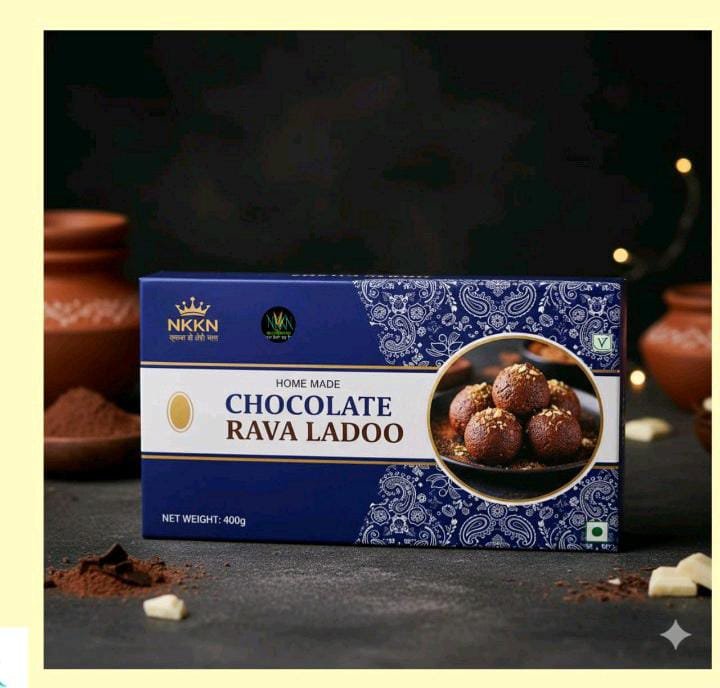
    NKKN Chocolate Rawa Laddu
    NKKN Chocolate Rawa Laddu

    What is Chocolate Rawa Laddu?

    Chocolate Rawa Laddu is a modern twist on the traditional Indian sweet made from roasted semolina (rawa or suji), ghee, sugar, and milk. By adding cocoa powder or melted chocolate, this classic dessert transforms into a rich, chocolatey indulgence loved by both kids and adults.

    Unlike syrup-based sweets, this laddu is easy to prepare, requires simple ingredients, and does not demand complicated techniques. At NKKN, we focus on making recipes approachable yet luxurious in flavor.

    The Cultural Significance of Rawa Laddu

    Traditional rawa laddu holds a special place in Indian households. It is commonly prepared during festivals such as Diwali, Ganesh Chaturthi, Navratri, and weddings. Semolina-based sweets are popular because they are:

    • Affordable
    • Quick to prepare
    • Easy to store
    • Universally loved

    Chocolate Rawa Laddu keeps the essence of tradition alive while adding a contemporary flavor profile that appeals to modern tastes.

    Why Choose NKKN’s Chocolate Rawa Laddu Recipe?

    At NKKN, we prioritize:

    • Premium quality ingredients
    • Perfect balance of sweetness
    • Smooth texture
    • Reliable step-by-step instructions
    • Flavor customization options

    This is not just a recipe—it’s a guaranteed crowd-pleaser.

    Ingredients Required

    Here are the simple ingredients you’ll need:

    • 1 cup fine semolina (rawa/suji)
    • ½ cup powdered sugar
    • 2 tablespoons cocoa powder (unsweetened)
    • 3 tablespoons ghee (clarified butter)
    • ¼ cup milk (warm)
    • 2 tablespoons grated dark chocolate (optional but recommended)
    • ¼ teaspoon cardamom powder (optional)
    • 2 tablespoons chopped nuts (cashews, almonds)
    • 1 tablespoon raisins (optional)

    Ingredient Notes

    Semolina (Rawa): Use fine rawa for smoother laddus.
    Cocoa Powder: Choose high-quality unsweetened cocoa for deep chocolate flavor.
    Ghee: Adds richness and helps bind the laddus.
    Milk: Helps in shaping and binding.
    Sugar: Powdered sugar mixes easily without grainy texture.

    Step-by-Step Preparation

    Step 1: Roast the Rawa

    Heat a heavy-bottom pan on low flame. Add 2 tablespoons of ghee. Once melted, add semolina.

    Roast on low flame for 8–10 minutes, stirring continuously. The rawa should turn aromatic and slightly golden but not brown.

    Tip from NKKN: Roasting is the most crucial step. Undercooked rawa tastes raw; overcooked rawa turns bitter.

    Step 2: Roast Nuts

    In the same pan, add 1 teaspoon ghee and lightly roast chopped nuts until golden. Keep aside.

    Step 3: Add Cocoa Powder

    Once the roasted semolina cools slightly, add cocoa powder and mix thoroughly to avoid lumps.

    Step 4: Add Sugar and Flavoring

    Add powdered sugar and cardamom powder. Mix well so everything combines evenly.

    Step 5: Add Chocolate and Nuts

    Add grated dark chocolate and roasted nuts. Mix again.

    Step 6: Binding the Mixture

    Gradually add warm milk, 1 tablespoon at a time. Mix gently.

    The mixture should be moist enough to hold shape but not sticky.

    Step 7: Shaping the Laddus

    Take small portions in your palm and press firmly to shape round laddus.

    If mixture feels dry, add 1–2 teaspoons more warm milk.

    Let them rest for 30 minutes to firm up.

    NKKN
    National Kisaan Khadhaya Nigam

    Pro Tips by NKKN for Perfect Chocolate Rawa Laddu

    • Always roast on low flame.
    • Use fine powdered sugar to prevent grainy texture.
    • Do not add too much milk at once.
    • If mixture becomes too soft, refrigerate for 10 minutes.
    • For extra richness, replace milk with condensed milk (reduce sugar accordingly).

    Variations You Must Try

    1. Chocolate Coconut Rawa Laddu

    Add 2 tablespoons desiccated coconut for extra texture.

    2. White Chocolate Rawa Laddu

    Replace cocoa powder with melted white chocolate.

    3. Dry Fruit Chocolate Laddu

    Increase nuts and add pistachios, walnuts, and dates.

    4. Vegan Chocolate Rawa Laddu

    Replace ghee with coconut oil and milk with almond milk.

    5. Protein Chocolate Rawa Laddu

    Add 1 scoop chocolate protein powder for a healthy twist.

    Nutritional Information (Approx per Laddu)

    • Calories: 120–150 kcal
    • Carbohydrates: 15g
    • Fat: 6g
    • Protein: 2g
    • Fiber: 1g

    Note: Values vary based on ingredient quantities.

    Storage Tips

    • Store in an airtight container.
    • Keeps fresh at room temperature for 3–4 days.
    • Refrigerate for up to 10 days.
    • Avoid moisture exposure.

    Serving Suggestions

    Chocolate Rawa Laddu by NKKN can be served:

    • During festivals
    • As tea-time snack
    • In kids’ lunchboxes
    • As return gifts
    • With vanilla ice cream
    • As dessert platter centerpiece

    Presentation tip: Garnish with melted chocolate drizzle or silver leaf for festive look.

    Common Mistakes to Avoid

    1. Not roasting rawa properly
    2. Adding too much milk
    3. Using coarse semolina
    4. Skipping cooling time
    5. Overheating chocolate

    Avoid these mistakes for flawless laddus.

    Why Kids Love Chocolate Rawa Laddu

    • Chocolate flavor
    • Soft texture
    • Bite-sized treat
    • Nutty crunch
    • Less messy compared to syrup sweets

    This makes it perfect for birthday parties and celebrations.

    Chocolate Rawa Laddu for Festive Gifting

    Homemade sweets feel personal and thoughtful. Pack NKKN Chocolate Rawa Laddus in decorative boxes with parchment lining.

    Add a handwritten note for a premium touch.

    Healthier Ingredient Substitutes

    Regular IngredientHealthier Option
    SugarJaggery powder
    GheeCoconut oil
    MilkOat milk
    Chocolate70% dark chocolate

    Frequently Asked Questions

    Can I make it without milk?

    Yes, use condensed milk or coconut milk.

    Why are my laddus breaking?

    The mixture is too dry. Add warm milk gradually.

    Can I freeze them?

    Yes, up to 1 month in airtight container.

    Can I use coarse rawa?

    Fine rawa is recommended for better texture.

    The NKKN Promise

    At <a href=”http://<!– wp:separator –> <hr class=”wp-block-separator has-alpha-channel-opacity”/> NKKN, we believe sweets are not just recipes—they are emotions shaped into flavors. Chocolate Rawa Laddu represents:

    • Tradition
    • Modern taste
    • Comfort
    • Celebration
    • Togetherness

    We ensure every recipe is tested for perfect texture and balanced sweetness.

    Conclusion

    Chocolate Rawa Laddu is the perfect blend of Indian tradition and chocolate indulgence. Easy to prepare, customizable, and universally loved, it deserves a permanent place in your dessert collection.

    Whether you’re celebrating a festival, hosting guests, or simply craving something sweet, NKKN’s Chocolate Rawa Laddu will never disappoint.

    Try it today and experience the magic of semolina and chocolate coming together in one irresistible bite.

  • Chocolate Rawa Laddu A Rich Melt-in-the-Mouth Delight by NKKN

    Chocolate Rawa Laddu A Rich Melt-in-the-Mouth Delight by NKKN

    When tradition meets chocolate indulgence, magic happens in the kitchen. Chocolate Rawa Laddu is one such delightful fusion sweet that combines the comforting texture of roasted semolina with the irresistible taste of chocolate. At NKKN, we believe that every dessert should tell a story—one that blends heritage, flavor, and love in every bite.

    In this detailed guide, you’ll discover everything about Chocolate Rawa Laddu—from its origins and ingredients to step-by-step preparation, expert tips, storage advice, variations, nutritional insights, and serving ideas. Whether you’re making it for a festival, gifting occasion, or simply to satisfy your sweet cravings, this recipe will become your go-to treat.

    NKKN Chocolate Rawa Laddu
    NKKN Chocolate Rawa Laddu

    What is Chocolate Rawa Laddu?

    Chocolate Rawa Laddu is a modern twist on the traditional Indian sweet made from roasted semolina (rawa or suji), ghee, sugar, and milk. By adding cocoa powder or melted chocolate, this classic dessert transforms into a rich, chocolatey indulgence loved by both kids and adults.

    Unlike syrup-based sweets, this laddu is easy to prepare, requires simple ingredients, and does not demand complicated techniques. At NKKN, we focus on making recipes approachable yet luxurious in flavor.

    The Cultural Significance of Rawa Laddu

    Traditional rawa laddu holds a special place in Indian households. It is commonly prepared during festivals such as Diwali, Ganesh Chaturthi, Navratri, and weddings. Semolina-based sweets are popular because they are:

    • Affordable
    • Quick to prepare
    • Easy to store
    • Universally loved

    Chocolate Rawa Laddu keeps the essence of tradition alive while adding a contemporary flavor profile that appeals to modern tastes.

    Why Choose NKKN’s Chocolate Rawa Laddu Recipe?

    At NKKN, we prioritize:

    • Premium quality ingredients
    • Perfect balance of sweetness
    • Smooth texture
    • Reliable step-by-step instructions
    • Flavor customization options

    This is not just a recipe—it’s a guaranteed crowd-pleaser.

    Ingredients Required

    Here are the simple ingredients you’ll need:

    • 1 cup fine semolina (rawa/suji)
    • ½ cup powdered sugar
    • 2 tablespoons cocoa powder (unsweetened)
    • 3 tablespoons ghee (clarified butter)
    • ¼ cup milk (warm)
    • 2 tablespoons grated dark chocolate (optional but recommended)
    • ¼ teaspoon cardamom powder (optional)
    • 2 tablespoons chopped nuts (cashews, almonds)
    • 1 tablespoon raisins (optional)

    Ingredient Notes

    Semolina (Rawa): Use fine rawa for smoother laddus.
    Cocoa Powder: Choose high-quality unsweetened cocoa for deep chocolate flavor.
    Ghee: Adds richness and helps bind the laddus.
    Milk: Helps in shaping and binding.
    Sugar: Powdered sugar mixes easily without grainy texture.

    Step-by-Step Preparation

    Step 1: Roast the Rawa

    Heat a heavy-bottom pan on low flame. Add 2 tablespoons of ghee. Once melted, add semolina.

    Roast on low flame for 8–10 minutes, stirring continuously. The rawa should turn aromatic and slightly golden but not brown.

    Tip from NKKN: Roasting is the most crucial step. Undercooked rawa tastes raw; overcooked rawa turns bitter.

    Step 2: Roast Nuts

    In the same pan, add 1 teaspoon ghee and lightly roast chopped nuts until golden. Keep aside.

    Step 3: Add Cocoa Powder

    Once the roasted semolina cools slightly, add cocoa powder and mix thoroughly to avoid lumps.

    Step 4: Add Sugar and Flavoring

    Add powdered sugar and cardamom powder. Mix well so everything combines evenly.

    Step 5: Add Chocolate and Nuts

    Add grated dark chocolate and roasted nuts. Mix again.

    Step 6: Binding the Mixture

    Gradually add warm milk, 1 tablespoon at a time. Mix gently.

    The mixture should be moist enough to hold shape but not sticky.

    Step 7: Shaping the Laddus

    Take small portions in your palm and press firmly to shape round laddus.

    If mixture feels dry, add 1–2 teaspoons more warm milk.

    Let them rest for 30 minutes to firm up.

    NKKN
    National Kisaan Khadhaya Nigam

    Pro Tips by NKKN for Perfect Chocolate Rawa Laddu

    • Always roast on low flame.
    • Use fine powdered sugar to prevent grainy texture.
    • Do not add too much milk at once.
    • If mixture becomes too soft, refrigerate for 10 minutes.
    • For extra richness, replace milk with condensed milk (reduce sugar accordingly).

    Variations You Must Try

    1. Chocolate Coconut Rawa Laddu

    Add 2 tablespoons desiccated coconut for extra texture.

    2. White Chocolate Rawa Laddu

    Replace cocoa powder with melted white chocolate.

    3. Dry Fruit Chocolate Laddu

    Increase nuts and add pistachios, walnuts, and dates.

    4. Vegan Chocolate Rawa Laddu

    Replace ghee with coconut oil and milk with almond milk.

    5. Protein Chocolate Rawa Laddu

    Add 1 scoop chocolate protein powder for a healthy twist.

    Nutritional Information (Approx per Laddu)

    • Calories: 120–150 kcal
    • Carbohydrates: 15g
    • Fat: 6g
    • Protein: 2g
    • Fiber: 1g

    Note: Values vary based on ingredient quantities.

    Storage Tips

    • Store in an airtight container.
    • Keeps fresh at room temperature for 3–4 days.
    • Refrigerate for up to 10 days.
    • Avoid moisture exposure.

    Serving Suggestions

    Chocolate Rawa Laddu by NKKN can be served:

    • During festivals
    • As tea-time snack
    • In kids’ lunchboxes
    • As return gifts
    • With vanilla ice cream
    • As dessert platter centerpiece

    Presentation tip: Garnish with melted chocolate drizzle or silver leaf for festive look.

    Common Mistakes to Avoid

    1. Not roasting rawa properly
    2. Adding too much milk
    3. Using coarse semolina
    4. Skipping cooling time
    5. Overheating chocolate

    Avoid these mistakes for flawless laddus.

    Why Kids Love Chocolate Rawa Laddu

    • Chocolate flavor
    • Soft texture
    • Bite-sized treat
    • Nutty crunch
    • Less messy compared to syrup sweets

    This makes it perfect for birthday parties and celebrations.

    Chocolate Rawa Laddu for Festive Gifting

    Homemade sweets feel personal and thoughtful. Pack NKKN Chocolate Rawa Laddus in decorative boxes with parchment lining.

    Add a handwritten note for a premium touch.

    Healthier Ingredient Substitutes

    Regular IngredientHealthier Option
    SugarJaggery powder
    GheeCoconut oil
    MilkOat milk
    Chocolate70% dark chocolate

    Frequently Asked Questions

    Can I make it without milk?

    Yes, use condensed milk or coconut milk.

    Why are my laddus breaking?

    The mixture is too dry. Add warm milk gradually.

    Can I freeze them?

    Yes, up to 1 month in airtight container.

    Can I use coarse rawa?

    Fine rawa is recommended for better texture.

    The NKKN Promise

    At <a href=”http://<!– wp:separator –> <hr class=”wp-block-separator has-alpha-channel-opacity”/> NKKN, we believe sweets are not just recipes—they are emotions shaped into flavors. Chocolate Rawa Laddu represents:

    • Tradition
    • Modern taste
    • Comfort
    • Celebration
    • Togetherness

    We ensure every recipe is tested for perfect texture and balanced sweetness.

    Conclusion

    Chocolate Rawa Laddu is the perfect blend of Indian tradition and chocolate indulgence. Easy to prepare, customizable, and universally loved, it deserves a permanent place in your dessert collection.

    Whether you’re celebrating a festival, hosting guests, or simply craving something sweet, NKKN’s Chocolate Rawa Laddu will never disappoint.

    Try it today and experience the magic of semolina and chocolate coming together in one irresistible bite.

  • Bagel Bread The Timeless Classic Reimagined by NKKN

    Bagel Bread The Timeless Classic Reimagined by NKKN

    Few baked goods are as iconic, satisfying, and versatile as bagel bread. With its golden crust, chewy texture, and soft interior, the bagel has earned its place as a beloved staple around the world. At NKKN, we celebrate this timeless classic by combining traditional techniques with modern quality standards to deliver bagel bread that is flavorful, authentic, and unforgettable.

    In this comprehensive guide, we’ll explore the history of bagel bread, its unique preparation process, texture and flavor profile, varieties, serving ideas, nutritional value, storage tips, and why NKKN Bagel Bread stands out as a premium choice for homes and food lovers alike.

    The Origin of Bagel Bread

    The bagel traces its roots back several centuries to Jewish communities in Eastern Europe, particularly in Poland. Over time, immigrants brought bagels to North America, where they became especially popular in cities like New York and Montreal.

    Unlike traditional loaves, bagels are shaped into rings and boiled before baking. This distinctive cooking method creates their signature chewy crust and dense interior. What began as a simple bread has evolved into a global favorite enjoyed in countless variations.

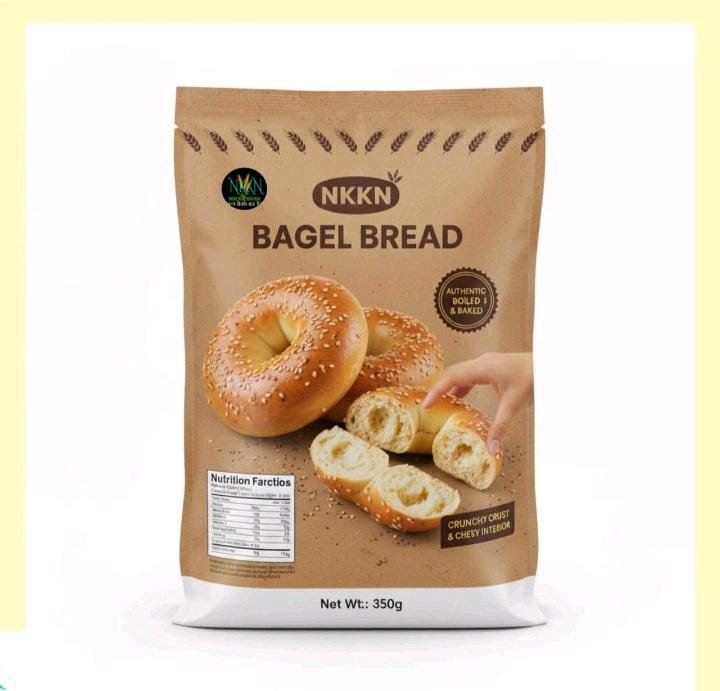
    NKKN Bagel Bread
    NKKN Bagel Bread

    At NKKN, we honor these traditional roots while ensuring consistent quality, hygiene, and flavor in every batch.

    What Makes Bagel Bread Unique?

    Bagel bread differs from regular bread in several important ways:

    • Boiled Before Baking – This step sets the crust and creates chewiness.
    • Dense Texture – Higher gluten development gives bagels structure.
    • Shiny Exterior – Achieved through boiling and sometimes egg wash.
    • Versatile Toppings – From sesame seeds to everything seasoning.

    These elements combine to create a bread that is hearty, filling, and perfect for both sweet and savory combinations.

    The NKKN Philosophy Behind Bagel Bread

    At NKKN, our bagel bread is crafted with care and precision. We focus on:

    • Premium quality flour
    • Balanced fermentation
    • Authentic boiling process
    • Controlled baking temperature
    • Fresh packaging

    We believe that great bread begins with quality ingredients and respect for tradition. Every NKKN bagel bread reflects this commitment.

    Ingredients in NKKN Bagel Bread

    The beauty of bagel bread lies in its simplicity. Core ingredients include:

    1. High-protein flour
    2. Water
    3. Yeast
    4. Sugar or malt syrup
    5. Salt
    6. Optional toppings (sesame, poppy, herbs, etc.)

    Why High-Protein Flour Matters

    Bagels require strong gluten development. High-protein flour ensures the dough becomes elastic and structured, producing the characteristic chewiness.

    The Role of Malt or Sugar

    Malt syrup enhances flavor and contributes to the golden crust. Sugar can be used as an alternative for sweetness and browning.

    At NKKN, we carefully balance these ingredients to create a well-rounded flavor profile.

    Step-by-Step Process of Making Bagel Bread

    Bagel bread requires patience and technique. Here’s how NKKN ensures perfection:

    Step 1: Mixing

    Flour, yeast, salt, and sweetener are combined with water to form a firm dough.

    Step 2: Kneading

    The dough is kneaded until smooth and elastic. Proper kneading builds gluten structure.

    Step 3: First Fermentation

    The dough rests and rises, developing flavor and texture.

    Step 4: Shaping

    The dough is divided and shaped into rings.

    Step 5: Boiling

    Each bagel is boiled briefly in water. This step locks in the structure and creates the chewy crust.

    Step 6: Topping

    NKKN
    National Kisaan Khadhaya Nigam

    Seeds or seasonings are added immediately after boiling.

    Step 7: Baking

    Bagels are baked at high temperature until golden brown.

    This unique process is what sets bagel bread apart from ordinary loaves.

    Texture and Flavor Profile

    NKKN Bagel Bread offers:

    • A glossy, firm crust
    • Dense and chewy bite
    • Mildly sweet, slightly salty flavor
    • Balanced richness

    The interior crumb is tight but soft, making it ideal for slicing and toasting.

    Popular Varieties of NKKN Bagel Bread

    Bagel bread is incredibly versatile. NKKN offers multiple variations to suit different tastes:

    1. Plain Bagel

    Classic and simple, perfect for any topping.

    2. Sesame Bagel

    Nutty aroma and slight crunch.

    3. Poppy Seed Bagel

    Subtle flavor with textured crust.

    4. Everything Bagel

    A blend of sesame, poppy, garlic, onion, and salt.

    5. Whole Wheat Bagel

    Nutritious and hearty.

    6. Cheese Bagel

    Topped with melted cheese for savory richness.

    7. Cinnamon Raisin Bagel

    Sweet and aromatic.

    Each variety delivers a distinct experience while maintaining the signature NKKN quality.

    Serving Ideas for Bagel Bread

    Bagel bread can be enjoyed in countless ways:

    Breakfast Favorites

    • Toasted with butter
    • Cream cheese and jam
    • Peanut butter and banana
    • Avocado spread

    Savory Combinations

    • Smoked salmon and cream cheese
    • Egg and cheese sandwich
    • Grilled chicken filling
    • Tuna salad topping

    Sweet Delights

    • Honey drizzle
    • Chocolate spread
    • Fruit compote

    Bagels are perfect for breakfast, brunch, snacks, or even dinner sandwiches.

    Bagel Sandwich Creations

    One of the most popular uses of bagel bread is in sandwiches. Here are NKKN-inspired ideas:

    • Classic deli sandwich with turkey and lettuce
    • Veggie-loaded bagel sandwich
    • Spicy paneer bagel
    • BBQ chicken bagel melt

    The firm texture of bagel bread holds fillings well without becoming soggy.

    Nutritional Benefits of Bagel Bread

    Bagel bread is a source of:

    • Carbohydrates for energy
    • Moderate protein from flour
    • Small amounts of fiber (more in whole wheat)
    • Iron and B vitamins (in enriched flour)

    For healthier options, NKKN whole wheat bagels provide added fiber and nutrients.

    How to Store Bagel Bread

    To maintain freshness:

    • Store in airtight packaging at room temperature for 2–3 days.
    • Refrigerate for up to one week.
    • Freeze for up to three months.

    When freezing, slice beforehand for easy toasting later.

    Tips for Enjoying NKKN Bagel Bread

    • Toast lightly for crisp edges.
    • Use a serrated knife to slice.
    • Pair with fresh spreads.
    • Avoid overloading with wet ingredients.

    Proper handling ensures the best taste experience.

    Common Mistakes When Making Bagels

    1. Skipping the boiling step
    2. Using low-protein flour
    3. Overproofing the dough
    4. Baking at low temperature
    5. Not kneading enough

    At NKKN, strict quality checks prevent these issues.

    Why NKKN Bagel Bread Stands Out

    In a market full of options, NKKN bagel bread distinguishes itself through:

    • Consistent texture
    • Balanced flavor
    • Hygienic production
    • Traditional methods
    • Premium packaging

    We believe that great bread builds trust and lasting relationships with customers.

    Bagel Bread Around the World

    Bagels have evolved globally:

    • New York-style bagels are dense and chewy.
    • Montreal-style bagels are slightly sweeter and thinner.
    • Fusion bagels incorporate international flavors.

    NKKN embraces global inspiration while preserving authenticity.

    Perfect Pairings with Bagel Bread

    Bagel bread pairs well with:

    • Fresh salads
    • Soups
    • Smoothies
    • Coffee
    • Tea
    • Fresh juices

    Its versatility makes it suitable for nearly any meal.

    Bagel Bread for Special Occasions

    Bagels are perfect for:

    • Family brunches
    • Office meetings
    • Picnics
    • Holiday gatherings
    • Catering events

    Their uniform shape and easy serving make them crowd-friendly.

    The Science Behind the Chewiness

    The boiling step gelatinizes the starch on the surface of the dough. This:

    • Creates a barrier
    • Limits oven spring
    • Produces a dense interior
    • Forms a glossy crust

    This science explains why bagels feel so different from regular bread.

    Sustainability at NKKN

    NKKN is committed to responsible practices:

    • Sourcing quality grains
    • Reducing waste
    • Using eco-conscious packaging
    • Maintaining food safety standards

    Our goal is to provide delicious bread while caring for the environment.

    Frequently Asked Questions

    Are bagels healthier than regular bread?

    They are denser and more filling, but portion control is important.

    Can bagels be eaten without toasting?

    Yes, though toasting enhances texture.

    Are bagels suitable for kids?

    Absolutely, especially plain or mildly flavored varieties.

    Can bagels be made gluten-free?

    Yes, with special flour blends.

    Final Thoughts

    Bagel bread is more than just a baked product—it is a tradition, a comfort food, and a versatile meal base. From its humble origins to its modern global popularity, the bagel has stood the test of time.

    At NKKN, we take pride in delivering bagel bread that combines authenticity, quality, and flavor. Whether you enjoy it toasted with cream cheese, layered into a hearty sandwich, or simply warm with butter, NKKN Bagel Bread brings satisfaction in every bite.

    Experience the perfect balance of chewiness and flavor. Choose NKKN Bagel Bread and make every meal more memorable.

  • Beer Bread A Rustic Flavorful Classic by NKKN

    Beer Bread A Rustic Flavorful Classic by NKKN

    There is something deeply comforting about the aroma of freshly baked bread drifting through the kitchen. When that bread is infused with the rich, malty depth of beer, the experience becomes even more special. At NKKN, we celebrate timeless recipes that bring warmth, flavor, and simplicity to your table. One such beloved creation is Beer Bread—a rustic, hearty loaf that requires minimal ingredients yet delivers maximum flavor.

    In this detailed guide, we’ll explore the history of beer bread, how it’s made, its unique characteristics, variations, serving ideas, storage tips, nutritional insights, and why NKKN Beer Bread deserves a place in every home kitchen.

    The History of Beer Bread

    Beer and bread share a surprisingly ancient connection. Both rely on fermentation, and historically, they were often made in the same communities using similar ingredients. Ancient civilizations such as those in Mesopotamia and Egypt understood the power of fermented grains. Beer was sometimes used in bread-making as a natural leavening agent long before commercial yeast became widely available.

    In modern times, beer bread became popular in households seeking a quick and easy alternative to traditional yeast bread. Because beer already contains yeast and carbonation, it helps bread rise without the long proofing process. This simplicity made beer bread especially popular in American kitchens during the 20th century.

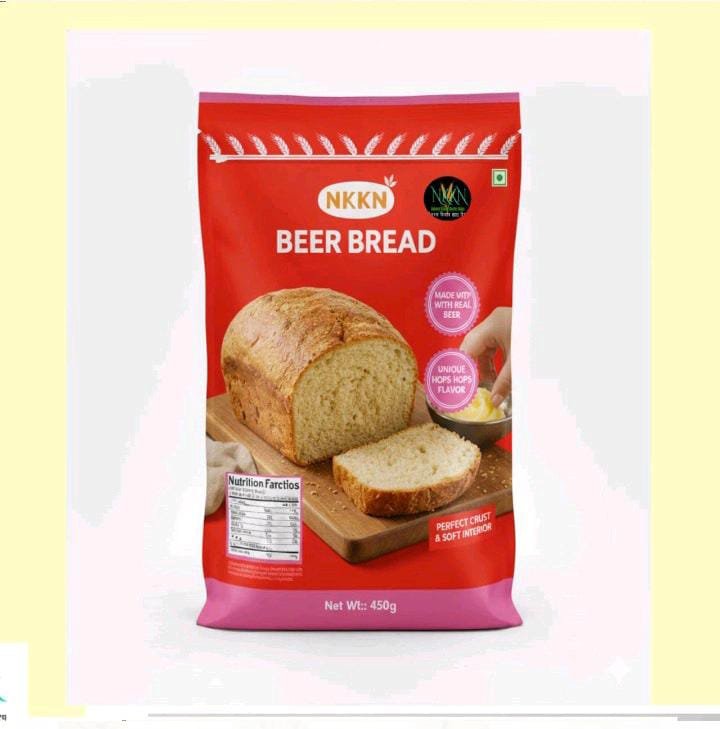
    NKKN Beer Bread
    NKKN Beer Bread

    Today, beer bread remains a favorite for busy families, home bakers, and culinary enthusiasts who appreciate bold flavor with minimal effort.

    What Makes Beer Bread Special?

    Beer bread stands out because of its:

    • Simplicity – No kneading, no long rising time.
    • Rich Flavor – The beer adds malty, slightly bitter, or sweet undertones depending on the type used.
    • Dense Yet Tender Texture – A perfect balance between hearty and soft.
    • Versatility – Works beautifully with sweet or savory additions.

    At NKKN, we refine this classic recipe to ensure a balanced flavor profile that suits a wide range of tastes while maintaining that authentic rustic charm.

    Ingredients Used in NKKN Beer Bread

    The beauty of beer bread lies in its simplicity. The core ingredients include:

    1. All-purpose flour
    2. Baking powder
    3. Salt
    4. Sugar
    5. Beer
    6. Melted butter (optional but recommended for richness)

    Each ingredient plays an essential role:

    • Flour provides structure.
    • Baking powder assists in leavening.
    • Salt enhances flavor.
    • Sugar balances bitterness from beer.
    • Beer activates leavening and adds complexity.
    • Butter gives a golden crust and moist interior.

    NKKN ensures only high-quality ingredients are used to maintain consistent taste and texture.

    Choosing the Right Beer

    One of the most exciting aspects of beer bread is experimenting with different beer types. The flavor changes dramatically depending on what you choose.

    1. Light Lager

    • Mild flavor
    • Slight sweetness
    • Ideal for beginners

    2. Pale Ale

    • Balanced bitterness
    • Fruity notes
    • Rich golden color

    3. Stout

    • Deep, dark color
    • Strong malty flavor
    • Hints of coffee or chocolate

    4. Wheat Beer

    • Smooth and slightly citrusy
    • Light and refreshing

    At NKKN, we often recommend starting with a mild lager for a balanced loaf, then exploring stronger varieties once you’re comfortable.

    NKKN
    NKKN

    Step-by-Step Preparation of NKKN Beer Bread

    Making beer bread is incredibly simple:

    Step 1: Preheat

    Preheat your oven to 375°F (190°C). Grease a loaf pan.

    Step 2: Mix Dry Ingredients

    In a large bowl, combine flour, baking powder, salt, and sugar.

    Step 3: Add Beer

    Pour in the beer slowly and mix gently. Do not overmix—this can make the bread tough.

    Step 4: Transfer to Pan

    Spoon the batter into the prepared loaf pan.

    Step 5: Add Butter

    Pour melted butter over the top for a crisp crust.

    Step 6: Bake

    Bake for 45–55 minutes until golden brown and a toothpick inserted in the center comes out clean.

    Step 7: Cool

    Allow to cool slightly before slicing.

    That’s it—no kneading, no rising, no stress.

    Texture and Flavor Profile

    NKKN Beer Bread offers:

    • golden, slightly crisp crust
    • moist and tender crumb
    • subtle sweetness
    • mild bitterness depending on beer type

    The interior is dense yet soft, making it ideal for slicing and spreading.

    Creative Variations of Beer Bread

    Beer bread is highly customizable. Here are some NKKN-inspired variations:

    1. Cheese Beer Bread

    Add shredded cheddar or mozzarella for a savory twist.

    2. Garlic & Herb Beer Bread

    Mix in dried rosemary, thyme, or minced garlic.

    3. Honey Beer Bread

    Replace sugar with honey for a natural sweetness.

    4. Jalapeño Beer Bread

    Add chopped jalapeños and cheese for spice lovers.

    5. Whole Wheat Beer Bread

    Substitute part of the flour with whole wheat for added fiber.

    Each variation offers a unique experience while maintaining the rustic heart of the recipe.

    Perfect Pairings for NKKN Beer Bread

    Beer bread is incredibly versatile and pairs beautifully with:

    • Soups (tomato, mushroom, lentil)
    • Stews and chili
    • BBQ dishes
    • Cheese platters
    • Butter and jam
    • Scrambled eggs
    • Grilled vegetables

    Its hearty texture makes it a wonderful companion to both casual meals and festive gatherings.

    Serving Suggestions

    Here are some creative ways to serve NKKN Beer Bread:

    • Slice thick and toast with butter.
    • Cube and serve as croutons.
    • Use for grilled cheese sandwiches.
    • Make savory French toast.
    • Serve warm with herb butter.

    The possibilities are endless.

    Nutritional Overview

    While beer bread is indulgent, it can be enjoyed in moderation as part of a balanced diet.

    Key nutrients include:

    • Carbohydrates for energy
    • Small amounts of protein
    • Iron from enriched flour
    • Trace minerals from beer

    For a healthier version, reduce sugar and use whole grain flour.

    Why Choose NKKN Beer Bread?

    At NKKN, quality and flavor are at the heart of everything we create. Our beer bread stands out because:

    • We use premium ingredients.
    • Our recipe is carefully balanced.
    • We maintain consistency in every batch.
    • We focus on traditional techniques with modern precision.

    NKKN Beer Bread represents warmth, comfort, and authenticity.

    Storage and Shelf Life

    To keep NKKN Beer Bread fresh:

    • Store in an airtight container at room temperature for up to 3 days.
    • Refrigerate for up to 1 week.
    • Freeze for up to 3 months.

    Wrap tightly to prevent drying out.

    Tips for Perfect Beer Bread

    • Do not overmix the batter.
    • Choose beer wisely.
    • Always preheat the oven.
    • Let the bread cool before slicing.
    • Use fresh baking powder.

    Following these simple tips ensures perfect results every time.

    Common Mistakes to Avoid

    1. Overmixing the batter
    2. Using flat beer
    3. Skipping the butter topping
    4. Cutting the bread too early
    5. Not measuring ingredients properly

    Avoiding these mistakes guarantees success.

    Beer Bread for Special Occasions

    Beer bread isn’t just everyday bread. It’s perfect for:

    • Holiday dinners
    • Family gatherings
    • Game nights
    • Potlucks
    • Weekend brunches

    Its rustic appeal makes it crowd-friendly and memorable.

    The Science Behind Beer Bread

    Beer contains:

    • Yeast
    • Carbon dioxide
    • Malt sugars

    These elements interact with baking powder to create lift and flavor. The carbonation adds lightness, while malt enhances sweetness.

    This natural chemistry is what makes beer bread unique.

    Sustainability and NKKN

    NKKN values responsible sourcing. We prioritize:

    • Quality grains
    • Sustainable packaging
    • Ethical ingredient sourcing

    Our commitment extends beyond taste—we care about the planet too.

    Frequently Asked Questions

    Can I taste the alcohol?

    Most alcohol evaporates during baking, leaving only flavor.

    Can I use non-alcoholic beer?

    Yes, it works well.

    Can I make it gluten-free?

    Use gluten-free flour blend and ensure the beer is gluten-free.

    Is it suitable for kids?

    Yes, since alcohol cooks off.

    Final Thoughts

    Beer bread is a celebration of simplicity and flavor. With minimal ingredients and effort, it delivers a loaf that feels both rustic and gourmet. Whether you are serving it alongside a hearty meal or enjoying a warm slice with butter, this bread never disappoints.

    At NKKN, we believe food should bring comfort, joy, and connection. Our Beer Bread embodies these values—easy to make, rich in flavor, and perfect for sharing.

    Bring the warmth of freshly baked beer bread into your kitchen today with NKKN, and experience the magic of simple ingredients transformed into something extraordinary.

  • Bagel Bread The Timeless Classic Reimagined by NKKN

    Bagel Bread The Timeless Classic Reimagined by NKKN

    Few baked goods are as iconic, satisfying, and versatile as bagel bread. With its golden crust, chewy texture, and soft interior, the bagel has earned its place as a beloved staple around the world. At NKKN, we celebrate this timeless classic by combining traditional techniques with modern quality standards to deliver bagel bread that is flavorful, authentic, and unforgettable.

    In this comprehensive guide, we’ll explore the history of bagel bread, its unique preparation process, texture and flavor profile, varieties, serving ideas, nutritional value, storage tips, and why NKKN Bagel Bread stands out as a premium choice for homes and food lovers alike.

    The Origin of Bagel Bread

    The bagel traces its roots back several centuries to Jewish communities in Eastern Europe, particularly in Poland. Over time, immigrants brought bagels to North America, where they became especially popular in cities like New York and Montreal.

    Unlike traditional loaves, bagels are shaped into rings and boiled before baking. This distinctive cooking method creates their signature chewy crust and dense interior. What began as a simple bread has evolved into a global favorite enjoyed in countless variations.

    NKKN Bagel Bread
    NKKN Bagel Bread

    At NKKN, we honor these traditional roots while ensuring consistent quality, hygiene, and flavor in every batch.

    What Makes Bagel Bread Unique?

    Bagel bread differs from regular bread in several important ways:

    • Boiled Before Baking – This step sets the crust and creates chewiness.
    • Dense Texture – Higher gluten development gives bagels structure.
    • Shiny Exterior – Achieved through boiling and sometimes egg wash.
    • Versatile Toppings – From sesame seeds to everything seasoning.

    These elements combine to create a bread that is hearty, filling, and perfect for both sweet and savory combinations.

    The NKKN Philosophy Behind Bagel Bread

    At NKKN, our bagel bread is crafted with care and precision. We focus on:

    • Premium quality flour
    • Balanced fermentation
    • Authentic boiling process
    • Controlled baking temperature
    • Fresh packaging

    We believe that great bread begins with quality ingredients and respect for tradition. Every NKKN bagel bread reflects this commitment.

    Ingredients in NKKN Bagel Bread

    The beauty of bagel bread lies in its simplicity. Core ingredients include:

    1. High-protein flour
    2. Water
    3. Yeast
    4. Sugar or malt syrup
    5. Salt
    6. Optional toppings (sesame, poppy, herbs, etc.)

    Why High-Protein Flour Matters

    Bagels require strong gluten development. High-protein flour ensures the dough becomes elastic and structured, producing the characteristic chewiness.

    The Role of Malt or Sugar

    Malt syrup enhances flavor and contributes to the golden crust. Sugar can be used as an alternative for sweetness and browning.

    At NKKN, we carefully balance these ingredients to create a well-rounded flavor profile.

    Step-by-Step Process of Making Bagel Bread

    Bagel bread requires patience and technique. Here’s how NKKN ensures perfection:

    Step 1: Mixing

    Flour, yeast, salt, and sweetener are combined with water to form a firm dough.

    Step 2: Kneading

    The dough is kneaded until smooth and elastic. Proper kneading builds gluten structure.

    Step 3: First Fermentation

    The dough rests and rises, developing flavor and texture.

    Step 4: Shaping

    The dough is divided and shaped into rings.

    Step 5: Boiling

    Each bagel is boiled briefly in water. This step locks in the structure and creates the chewy crust.

    Step 6: Topping

    NKKN
    National Kisaan Khadhaya Nigam

    Seeds or seasonings are added immediately after boiling.

    Step 7: Baking

    Bagels are baked at high temperature until golden brown.

    This unique process is what sets bagel bread apart from ordinary loaves.

    Texture and Flavor Profile

    NKKN Bagel Bread offers:

    • A glossy, firm crust
    • Dense and chewy bite
    • Mildly sweet, slightly salty flavor
    • Balanced richness

    The interior crumb is tight but soft, making it ideal for slicing and toasting.

    Popular Varieties of NKKN Bagel Bread

    Bagel bread is incredibly versatile. NKKN offers multiple variations to suit different tastes:

    1. Plain Bagel

    Classic and simple, perfect for any topping.

    2. Sesame Bagel

    Nutty aroma and slight crunch.

    3. Poppy Seed Bagel

    Subtle flavor with textured crust.

    4. Everything Bagel

    A blend of sesame, poppy, garlic, onion, and salt.

    5. Whole Wheat Bagel

    Nutritious and hearty.

    6. Cheese Bagel

    Topped with melted cheese for savory richness.

    7. Cinnamon Raisin Bagel

    Sweet and aromatic.

    Each variety delivers a distinct experience while maintaining the signature NKKN quality.

    Serving Ideas for Bagel Bread

    Bagel bread can be enjoyed in countless ways:

    Breakfast Favorites

    • Toasted with butter
    • Cream cheese and jam
    • Peanut butter and banana
    • Avocado spread

    Savory Combinations

    • Smoked salmon and cream cheese
    • Egg and cheese sandwich
    • Grilled chicken filling
    • Tuna salad topping

    Sweet Delights

    • Honey drizzle
    • Chocolate spread
    • Fruit compote

    Bagels are perfect for breakfast, brunch, snacks, or even dinner sandwiches.

    Bagel Sandwich Creations

    One of the most popular uses of bagel bread is in sandwiches. Here are NKKN-inspired ideas:

    • Classic deli sandwich with turkey and lettuce
    • Veggie-loaded bagel sandwich
    • Spicy paneer bagel
    • BBQ chicken bagel melt

    The firm texture of bagel bread holds fillings well without becoming soggy.

    Nutritional Benefits of Bagel Bread

    Bagel bread is a source of:

    • Carbohydrates for energy
    • Moderate protein from flour
    • Small amounts of fiber (more in whole wheat)
    • Iron and B vitamins (in enriched flour)

    For healthier options, NKKN whole wheat bagels provide added fiber and nutrients.

    How to Store Bagel Bread

    To maintain freshness:

    • Store in airtight packaging at room temperature for 2–3 days.
    • Refrigerate for up to one week.
    • Freeze for up to three months.

    When freezing, slice beforehand for easy toasting later.

    Tips for Enjoying NKKN Bagel Bread

    • Toast lightly for crisp edges.
    • Use a serrated knife to slice.
    • Pair with fresh spreads.
    • Avoid overloading with wet ingredients.

    Proper handling ensures the best taste experience.

    Common Mistakes When Making Bagels

    1. Skipping the boiling step
    2. Using low-protein flour
    3. Overproofing the dough
    4. Baking at low temperature
    5. Not kneading enough

    At NKKN, strict quality checks prevent these issues.

    Why NKKN Bagel Bread Stands Out

    In a market full of options, NKKN bagel bread distinguishes itself through:

    • Consistent texture
    • Balanced flavor
    • Hygienic production
    • Traditional methods
    • Premium packaging

    We believe that great bread builds trust and lasting relationships with customers.

    Bagel Bread Around the World

    Bagels have evolved globally:

    • New York-style bagels are dense and chewy.
    • Montreal-style bagels are slightly sweeter and thinner.
    • Fusion bagels incorporate international flavors.

    NKKN embraces global inspiration while preserving authenticity.

    Perfect Pairings with Bagel Bread

    Bagel bread pairs well with:

    • Fresh salads
    • Soups
    • Smoothies
    • Coffee
    • Tea
    • Fresh juices

    Its versatility makes it suitable for nearly any meal.

    Bagel Bread for Special Occasions

    Bagels are perfect for:

    • Family brunches
    • Office meetings
    • Picnics
    • Holiday gatherings
    • Catering events

    Their uniform shape and easy serving make them crowd-friendly.

    The Science Behind the Chewiness

    The boiling step gelatinizes the starch on the surface of the dough. This:

    • Creates a barrier
    • Limits oven spring
    • Produces a dense interior
    • Forms a glossy crust

    This science explains why bagels feel so different from regular bread.

    Sustainability at NKKN

    NKKN is committed to responsible practices:

    • Sourcing quality grains
    • Reducing waste
    • Using eco-conscious packaging
    • Maintaining food safety standards

    Our goal is to provide delicious bread while caring for the environment.

    Frequently Asked Questions

    Are bagels healthier than regular bread?

    They are denser and more filling, but portion control is important.

    Can bagels be eaten without toasting?

    Yes, though toasting enhances texture.

    Are bagels suitable for kids?

    Absolutely, especially plain or mildly flavored varieties.

    Can bagels be made gluten-free?

    Yes, with special flour blends.

    Final Thoughts

    Bagel bread is more than just a baked product—it is a tradition, a comfort food, and a versatile meal base. From its humble origins to its modern global popularity, the bagel has stood the test of time.

    At NKKN, we take pride in delivering bagel bread that combines authenticity, quality, and flavor. Whether you enjoy it toasted with cream cheese, layered into a hearty sandwich, or simply warm with butter, NKKN Bagel Bread brings satisfaction in every bite.

    Experience the perfect balance of chewiness and flavor. Choose NKKN Bagel Bread and make every meal more memorable.

  • Beer Bread A Rustic Flavorful Classic by NKKN

    Beer Bread A Rustic Flavorful Classic by NKKN

    There is something deeply comforting about the aroma of freshly baked bread drifting through the kitchen. When that bread is infused with the rich, malty depth of beer, the experience becomes even more special. At NKKN, we celebrate timeless recipes that bring warmth, flavor, and simplicity to your table. One such beloved creation is Beer Bread—a rustic, hearty loaf that requires minimal ingredients yet delivers maximum flavor.

    In this detailed guide, we’ll explore the history of beer bread, how it’s made, its unique characteristics, variations, serving ideas, storage tips, nutritional insights, and why NKKN Beer Bread deserves a place in every home kitchen.

    The History of Beer Bread

    Beer and bread share a surprisingly ancient connection. Both rely on fermentation, and historically, they were often made in the same communities using similar ingredients. Ancient civilizations such as those in Mesopotamia and Egypt understood the power of fermented grains. Beer was sometimes used in bread-making as a natural leavening agent long before commercial yeast became widely available.

    In modern times, beer bread became popular in households seeking a quick and easy alternative to traditional yeast bread. Because beer already contains yeast and carbonation, it helps bread rise without the long proofing process. This simplicity made beer bread especially popular in American kitchens during the 20th century.

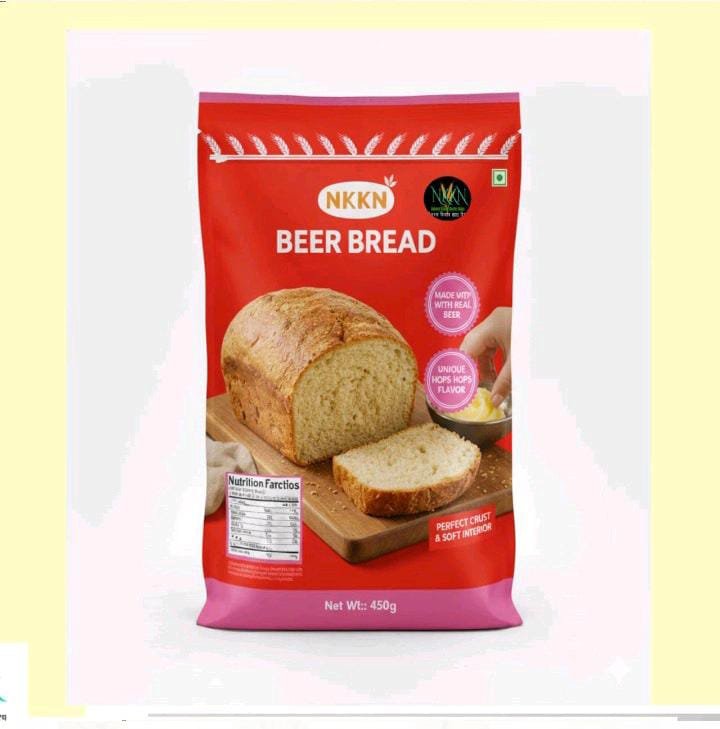
    NKKN Beer Bread
    NKKN Beer Bread

    Today, beer bread remains a favorite for busy families, home bakers, and culinary enthusiasts who appreciate bold flavor with minimal effort.

    What Makes Beer Bread Special?

    Beer bread stands out because of its:

    • Simplicity – No kneading, no long rising time.
    • Rich Flavor – The beer adds malty, slightly bitter, or sweet undertones depending on the type used.
    • Dense Yet Tender Texture – A perfect balance between hearty and soft.
    • Versatility – Works beautifully with sweet or savory additions.

    At NKKN, we refine this classic recipe to ensure a balanced flavor profile that suits a wide range of tastes while maintaining that authentic rustic charm.

    Ingredients Used in NKKN Beer Bread

    The beauty of beer bread lies in its simplicity. The core ingredients include:

    1. All-purpose flour
    2. Baking powder
    3. Salt
    4. Sugar
    5. Beer
    6. Melted butter (optional but recommended for richness)

    Each ingredient plays an essential role:

    • Flour provides structure.
    • Baking powder assists in leavening.
    • Salt enhances flavor.
    • Sugar balances bitterness from beer.
    • Beer activates leavening and adds complexity.
    • Butter gives a golden crust and moist interior.

    NKKN ensures only high-quality ingredients are used to maintain consistent taste and texture.

    Choosing the Right Beer

    One of the most exciting aspects of beer bread is experimenting with different beer types. The flavor changes dramatically depending on what you choose.

    1. Light Lager

    • Mild flavor
    • Slight sweetness
    • Ideal for beginners

    2. Pale Ale

    • Balanced bitterness
    • Fruity notes
    • Rich golden color

    3. Stout

    • Deep, dark color
    • Strong malty flavor
    • Hints of coffee or chocolate

    4. Wheat Beer

    • Smooth and slightly citrusy
    • Light and refreshing

    At NKKN, we often recommend starting with a mild lager for a balanced loaf, then exploring stronger varieties once you’re comfortable.

    NKKN
    NKKN

    Step-by-Step Preparation of NKKN Beer Bread

    Making beer bread is incredibly simple:

    Step 1: Preheat

    Preheat your oven to 375°F (190°C). Grease a loaf pan.

    Step 2: Mix Dry Ingredients

    In a large bowl, combine flour, baking powder, salt, and sugar.

    Step 3: Add Beer

    Pour in the beer slowly and mix gently. Do not overmix—this can make the bread tough.

    Step 4: Transfer to Pan

    Spoon the batter into the prepared loaf pan.

    Step 5: Add Butter

    Pour melted butter over the top for a crisp crust.

    Step 6: Bake

    Bake for 45–55 minutes until golden brown and a toothpick inserted in the center comes out clean.

    Step 7: Cool

    Allow to cool slightly before slicing.

    That’s it—no kneading, no rising, no stress.

    Texture and Flavor Profile

    NKKN Beer Bread offers:

    • golden, slightly crisp crust
    • moist and tender crumb
    • subtle sweetness
    • mild bitterness depending on beer type

    The interior is dense yet soft, making it ideal for slicing and spreading.

    Creative Variations of Beer Bread

    Beer bread is highly customizable. Here are some NKKN-inspired variations:

    1. Cheese Beer Bread

    Add shredded cheddar or mozzarella for a savory twist.

    2. Garlic & Herb Beer Bread

    Mix in dried rosemary, thyme, or minced garlic.

    3. Honey Beer Bread

    Replace sugar with honey for a natural sweetness.

    4. Jalapeño Beer Bread

    Add chopped jalapeños and cheese for spice lovers.

    5. Whole Wheat Beer Bread

    Substitute part of the flour with whole wheat for added fiber.

    Each variation offers a unique experience while maintaining the rustic heart of the recipe.

    Perfect Pairings for NKKN Beer Bread

    Beer bread is incredibly versatile and pairs beautifully with:

    • Soups (tomato, mushroom, lentil)
    • Stews and chili
    • BBQ dishes
    • Cheese platters
    • Butter and jam
    • Scrambled eggs
    • Grilled vegetables

    Its hearty texture makes it a wonderful companion to both casual meals and festive gatherings.

    Serving Suggestions

    Here are some creative ways to serve NKKN Beer Bread:

    • Slice thick and toast with butter.
    • Cube and serve as croutons.
    • Use for grilled cheese sandwiches.
    • Make savory French toast.
    • Serve warm with herb butter.

    The possibilities are endless.

    Nutritional Overview

    While beer bread is indulgent, it can be enjoyed in moderation as part of a balanced diet.

    Key nutrients include:

    • Carbohydrates for energy
    • Small amounts of protein
    • Iron from enriched flour
    • Trace minerals from beer

    For a healthier version, reduce sugar and use whole grain flour.

    Why Choose NKKN Beer Bread?

    At NKKN, quality and flavor are at the heart of everything we create. Our beer bread stands out because:

    • We use premium ingredients.
    • Our recipe is carefully balanced.
    • We maintain consistency in every batch.
    • We focus on traditional techniques with modern precision.

    NKKN Beer Bread represents warmth, comfort, and authenticity.

    Storage and Shelf Life

    To keep NKKN Beer Bread fresh:

    • Store in an airtight container at room temperature for up to 3 days.
    • Refrigerate for up to 1 week.
    • Freeze for up to 3 months.

    Wrap tightly to prevent drying out.

    Tips for Perfect Beer Bread

    • Do not overmix the batter.
    • Choose beer wisely.
    • Always preheat the oven.
    • Let the bread cool before slicing.
    • Use fresh baking powder.

    Following these simple tips ensures perfect results every time.

    Common Mistakes to Avoid

    1. Overmixing the batter
    2. Using flat beer
    3. Skipping the butter topping
    4. Cutting the bread too early
    5. Not measuring ingredients properly

    Avoiding these mistakes guarantees success.

    Beer Bread for Special Occasions

    Beer bread isn’t just everyday bread. It’s perfect for:

    • Holiday dinners
    • Family gatherings
    • Game nights
    • Potlucks
    • Weekend brunches

    Its rustic appeal makes it crowd-friendly and memorable.

    The Science Behind Beer Bread

    Beer contains:

    • Yeast
    • Carbon dioxide
    • Malt sugars

    These elements interact with baking powder to create lift and flavor. The carbonation adds lightness, while malt enhances sweetness.

    This natural chemistry is what makes beer bread unique.

    Sustainability and NKKN

    NKKN values responsible sourcing. We prioritize:

    • Quality grains
    • Sustainable packaging
    • Ethical ingredient sourcing

    Our commitment extends beyond taste—we care about the planet too.

    Frequently Asked Questions

    Can I taste the alcohol?

    Most alcohol evaporates during baking, leaving only flavor.

    Can I use non-alcoholic beer?

    Yes, it works well.

    Can I make it gluten-free?

    Use gluten-free flour blend and ensure the beer is gluten-free.

    Is it suitable for kids?

    Yes, since alcohol cooks off.

    Final Thoughts

    Beer bread is a celebration of simplicity and flavor. With minimal ingredients and effort, it delivers a loaf that feels both rustic and gourmet. Whether you are serving it alongside a hearty meal or enjoying a warm slice with butter, this bread never disappoints.

    At NKKN, we believe food should bring comfort, joy, and connection. Our Beer Bread embodies these values—easy to make, rich in flavor, and perfect for sharing.

    Bring the warmth of freshly baked beer bread into your kitchen today with NKKN, and experience the magic of simple ingredients transformed into something extraordinary.

  • Rye Bread A Nutritious Heritage Loaf by NKKN

    Rye Bread A Nutritious Heritage Loaf by NKKN

    Bread has been a staple of human civilization for thousands of years, and among the many varieties that have stood the test of time, Rye Bread holds a special place. Known for its deep flavor, dense texture, and impressive nutritional profile, rye bread is more than just a baked good—it is a symbol of tradition, culture, and wholesome nourishment.

    At NKKN, we take pride in bringing time-honored baking traditions to modern kitchens, and our rye bread reflects this commitment to quality, authenticity, and health. In this article, we will explore the rich history of rye bread, its nutritional benefits, how it is made, its culinary uses, and why NKKN’s rye bread stands apart.

    The History of Rye Bread

    Rye bread has its origins in Northern and Eastern Europe, where rye grain thrived in cold climates that were unsuitable for wheat cultivation. Countries such as Germany, Russia, Poland, Finland, and Scandinavia have long traditions of rye bread baking.

    Unlike wheat, rye is a hardy grain that can grow in poor soil and harsh weather conditions. This made it an essential crop for early farmers in regions where wheat struggled to survive. As a result, rye bread became a dietary staple for millions of people.

    NKKN rye bread
    NKKN rye bread

    Historically, rye bread was often made with sourdough fermentation rather than commercial yeast. This process helped break down complex carbohydrates, making the bread easier to digest while enhancing its tangy flavor. Many traditional rye breads were dark, dense, and long-lasting—ideal for long winters and limited food supplies.

    Even today, rye bread remains deeply embedded in European food culture. In Germany, “Pumpernickel” is a famous dark rye bread; in Finland, dense sour rye loaves are common; and in Russia, black rye bread is a daily staple.

    At NKKN, we honor this heritage by crafting rye bread that stays true to traditional methods while meeting modern quality standards.

    What is Rye Bread?

    Rye bread is made primarily from rye flour, which is derived from the rye grain. It differs significantly from wheat bread in texture, taste, and structure.

    Key Characteristics of Rye Bread:

    • Darker color than wheat bread
    • Denser texture and less airy crumb
    • Earthy, slightly sour flavor
    • Higher fiber content
    • Lower gluten strength than wheat

    Because rye flour contains less gluten than wheat flour, rye bread does not rise as much and tends to be heavier. This is why many bakers mix rye flour with wheat flour to create a lighter loaf.

    At NKKN, we carefully balance tradition and texture, ensuring our rye bread maintains its authentic character while still being soft and enjoyable.

    Nutritional Benefits of Rye Bread

    Rye bread is not just delicious—it is also incredibly nutritious. It is often considered one of the healthiest types of bread available.

    1. High in Dietary Fiber

    Rye bread contains significantly more fiber than white bread. This helps improve digestion, prevent constipation, and promote gut health.

    2. Helps Control Blood Sugar

    Rye bread has a lower glycemic index compared to white bread. This means it releases sugar into the bloodstream more slowly, making it a better option for people with diabetes or those trying to maintain stable energy levels.

    3. Rich in Essential Nutrients

    Rye is packed with vitamins and minerals, including:

    • Magnesium
    • Iron
    • Zinc
    • B vitamins
    • Antioxidants

    These nutrients support overall health, boost immunity, and promote heart function.

    4. Supports Heart Health

    The fiber in rye bread helps reduce bad cholesterol (LDL), which can lower the risk of heart disease.

    5. Aids in Weight Management

    Because rye bread is more filling than white bread, it helps reduce overeating and keeps you full for longer periods.

    NKKN’s rye bread is crafted with whole rye grains to preserve these nutritional benefits, making it a smart choice for health-conscious consumers.

    How Rye Bread is Made

    The process of making rye bread is both an art and a science. Traditional methods rely on slow fermentation and natural ingredients.

    NKKN
    NKKN

    Step 1: Selecting the Rye Flour

    NKKN sources high-quality rye grains to produce fresh, nutrient-rich rye flour.

    Step 2: Mixing the Dough

    Rye flour is mixed with water, salt, and either sourdough starter or yeast. Many authentic rye breads use sourdough for better flavor and digestibility.

    Step 3: Fermentation

    The dough is allowed to ferment slowly. This process develops the bread’s characteristic tangy taste.

    Step 4: Shaping and Proofing

    The dough is shaped into loaves and left to rise.

    Step 5: Baking

    The bread is baked at a controlled temperature to achieve a crisp crust and soft interior.

    NKKN follows these time-tested methods while maintaining strict hygiene and quality control standards.

    Different Types of Rye Bread

    There are several varieties of rye bread, each with its own unique taste and texture.

    1. Light Rye Bread

    Made with refined rye flour, this version is softer and lighter in color.

    2. Dark Rye Bread

    Contains whole rye flour or added molasses, giving it a deep brown or black color.

    3. Pumpernickel

    A traditional German rye bread that is very dense and slightly sweet.

    4. Sourdough Rye

    Made using natural fermentation, this type has a strong tangy flavor.

    NKKN offers multiple styles of rye bread to cater to different taste preferences.

    Culinary Uses of Rye Bread

    Rye bread is incredibly versatile and can be used in many dishes.

    1. Sandwiches

    Rye bread pairs beautifully with:

    • Smoked salmon
    • Turkey
    • Roast beef
    • Cheese
    • Avocado

    2. Toast

    Rye toast with butter, honey, or jam makes for a wholesome breakfast.

    3. Open-Faced Sandwiches

    Popular in Scandinavian cuisine, topped with:

    • Herring
    • Cucumber
    • Eggs
    • Dill

    4. Soup Accompaniment

    Rye bread is often served with soups like:

    • Borscht
    • Mushroom soup
    • Lentil soup

    5. Healthy Snacks

    Rye bread can be cut into thin slices, baked, and turned into crispy rye crackers.

    NKKN encourages creative cooking with our premium rye bread.

    Why Choose NKKN Rye Bread?

    There are many brands of bread available, but NKKN stands out for several reasons.

    1. Authentic Recipe

    NKKN uses traditional baking techniques to preserve the true essence of rye bread.

    2. Premium Ingredients

    Only the finest rye grains are selected for our flour.

    3. No Harmful Additives

    Our rye bread is free from artificial preservatives and colors.

    4. Freshly Baked

    NKKN ensures freshness in every loaf.

    5. Health-Focused

    We prioritize nutrition without compromising taste.

    Rye Bread vs. White Bread

    FeatureRye BreadWhite Bread
    FiberHighLow
    NutrientsRichMinimal
    Glycemic IndexLowHigh
    TasteEarthyBland
    TextureDenseSoft

    Clearly, rye bread is the healthier and more flavorful choice.


    Rye Bread and Gut Health

    The fermentation process in rye bread promotes the growth of beneficial bacteria in the gut. This supports digestion and improves overall gut health.

    Many nutritionists recommend rye bread as part of a balanced diet.

    Rye Bread in Indian Cuisine

    Although rye bread is not traditionally Indian, it is gaining popularity due to increasing health awareness.

    People in India are incorporating rye bread into:

    • Breakfast meals
    • Sandwiches
    • Healthy diets

    NKKN is proud to introduce authentic rye bread to Indian consumers.

    How to Store Rye Bread

    To maintain freshness:

    • Store in a cool, dry place
    • Keep in a sealed bag
    • Avoid refrigeration (it dries out the bread)

    NKKN’s rye bread stays fresh longer due to its natural ingredients and careful baking process.

    Who Should Eat Rye Bread?

    Rye bread is ideal for:

    • Fitness enthusiasts
    • Diabetics
    • Weight-conscious individuals
    • People with digestive issues
    • Anyone looking for a healthier bread option

    Final Thoughts

    Rye bread is more than just food—it is a legacy of nourishment, culture, and craftsmanship. Its rich history, impressive health benefits, and unique flavor make it a truly special bread.

    At NKKN, we are dedicated to bringing you the best rye bread—crafted with care, tradition, and quality. Whether you enjoy it as toast, a sandwich, or alongside your favorite meal, NKKN rye bread is a choice you can trust.

    Choose NKKN. Choose health. Choose tradition.